Keeper of the Fire

Long ago, when the world was young, all people were happy, The Great Spirit, whose home is in the sun, gave them all they needed. No one was Hungry, no one

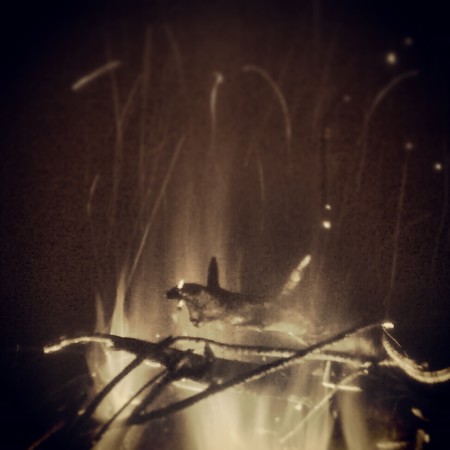
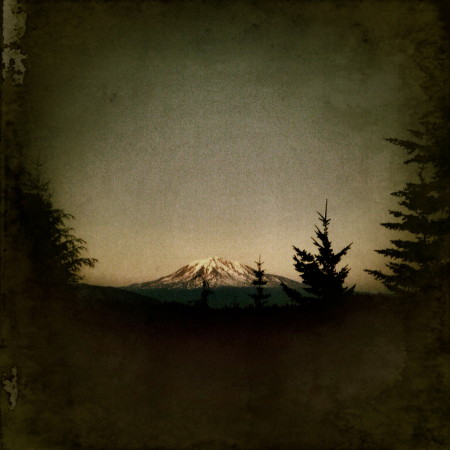
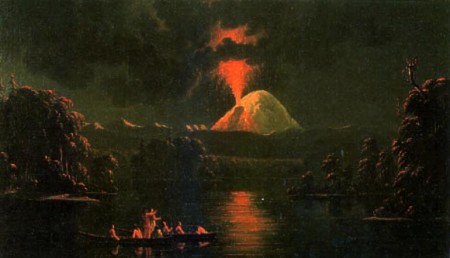
'Keeper of Fire' | © 2015 H a v e n

‘Keeper of Fire’ | © 2015 H a v e n

was cold. But after a while, two brothers quarreled over the land. The elder one wanted most of it, and the younger one wanted most of it. The Great Spirit decided to stop the quarrel. One night while the brothers were asleep he took them to a new land, to a country with high mountains. Between the mountains flowed a big river.

The Great Spirit took the two brothers to the top of the high mountains and wakened them. They saw that the new country was rich and beautiful.

“Each of you will shoot a arrow in opposite directions,” he said to them. “Then you will follow your arrow. Where your arrow falls, that will be your country. There you will become a great chief. The river will separate your lands.”

One brother shot his arrow south into the valley of the Willamette River. He became the father and the high chief of the Multnomah people. The other brother shot his arrow north into the Klickitat country. He became the father and high chief of the Klickitat people.

Then the Great Spirit built a bridge over the big river. To each brother he said, “I have built a bridge over the river, so that you and your people may visit those on the other side. It will be a sign of peace between you. As long as you and your people are good and are friendly with each other, this bridge of the Tahmahnawis will remain.

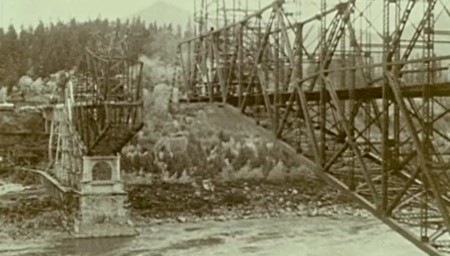
Building of the the modern day Bridge of the Gods, ca. 1925

Building of the the modern day Bridge of the Gods, ca. 1925

It was a broad bridge, wide enough for many people and many ponies to walk across at one time. For many snows the people were at peace and crossed the river for friendly visits. But after a time they did wicked things. They were selfish and greedy, and they quarreled. The Great Spirit, displeased again, punished them by keeping the sun from shining. The people had no fire, and then the winter rains came, they were very cold.

Then they began to be sorry for what they had done, and they begged the Great Spirit for fire. “Give us fire, or we will die from the cold,” they prayed. The heart of the Great Spirit was softened by their prayer. He went to an old woman who had kept herself from the wrongdoing of her people and so still had some fire in their lodge.

“If you will share your fire, I will Grant you anything you wish,” the Great Spirit promised her. “What do you want most?”

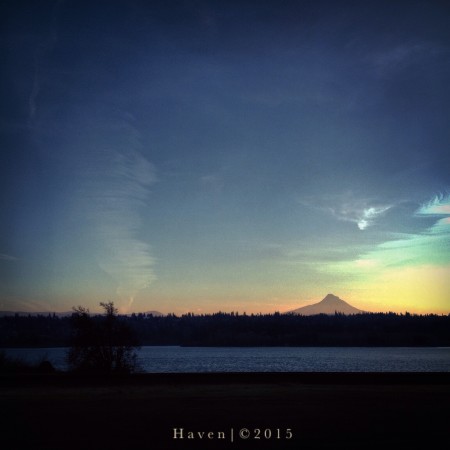
"Eternal" | ©2015 H a v e n

“Eternal” | ©2015 H a v e n

“Youth and beauty,” answered the old woman promptly, “I wish to be young again, and to be beautiful.”

“You shall be young and beautiful tomorrow morning,” promised the Great Spirit. “Take your fire to the bridge, so that the people on both sides of the river can get it easily. Keep it burning there always as a reminder of the goodness and kindness of the Great Spirit.”

The old woman, whose name was Loo-wit, did as he said. Then the Great Spirit commanded the sun to shine again. When it rose the next morning, it was surprised to see a young and beautiful maiden sitting beside a fire on the Bridge of the Gods. The people, too, saw the fire, and soon their lodges were warm again. For many moons all was peaceful on both sides of the great river and the bridge.

The young men also saw the fire–and the beautiful young woman who attended it. They visited her often. Loo-wit’s heart was stirred by two of them–a handsome young chief from south of the river, whose name was Wyeast, and a handsome young chief from north of the river, whose name was Klickitat. She could not decide which of the two she liked better.

Wyeast and Klickitat grew jealous of each other and soon began to quarrel. They became so angry that they fought. Their people also took up the quarrel, so that there was much fighting on both sides of the river. Many warriors were killed.

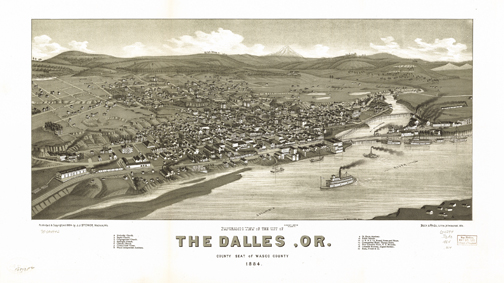
The Dalles, Oregon. ca. 1884

The Dalles, Oregon. ca. 1884

This time the Great Spirit was made angry by the wickedness of the people. He broke down the Bridge of the Gods, the sign of peace between the two tribes, and its rocks fell into the river. He changed the two chiefs into mountains. Some say that they continued to quarrel over Loo-wit even after they were mountain peaks. They caused sheets of flame to burst forth, and they hurled hot rocks at each other. Not thrown far enough, many fell into the river
and blocked it. That is why the Columbia is very narrow and the water very swift at the Dalles.

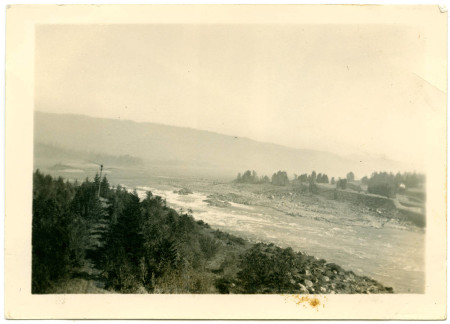
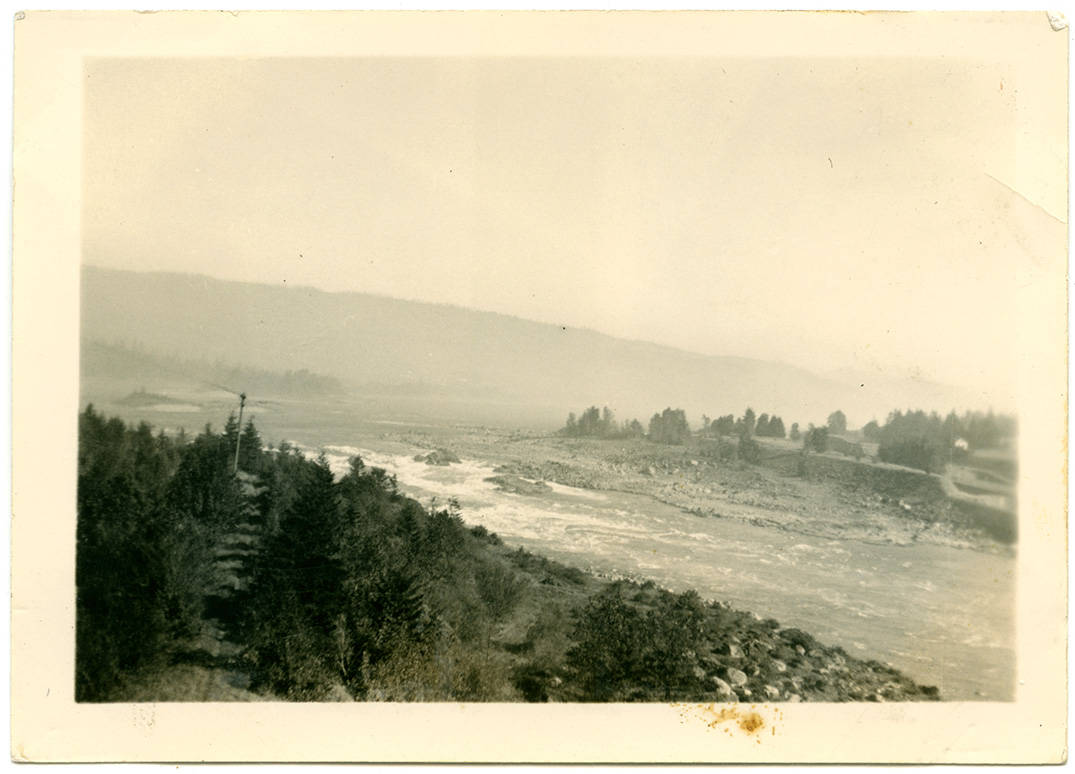
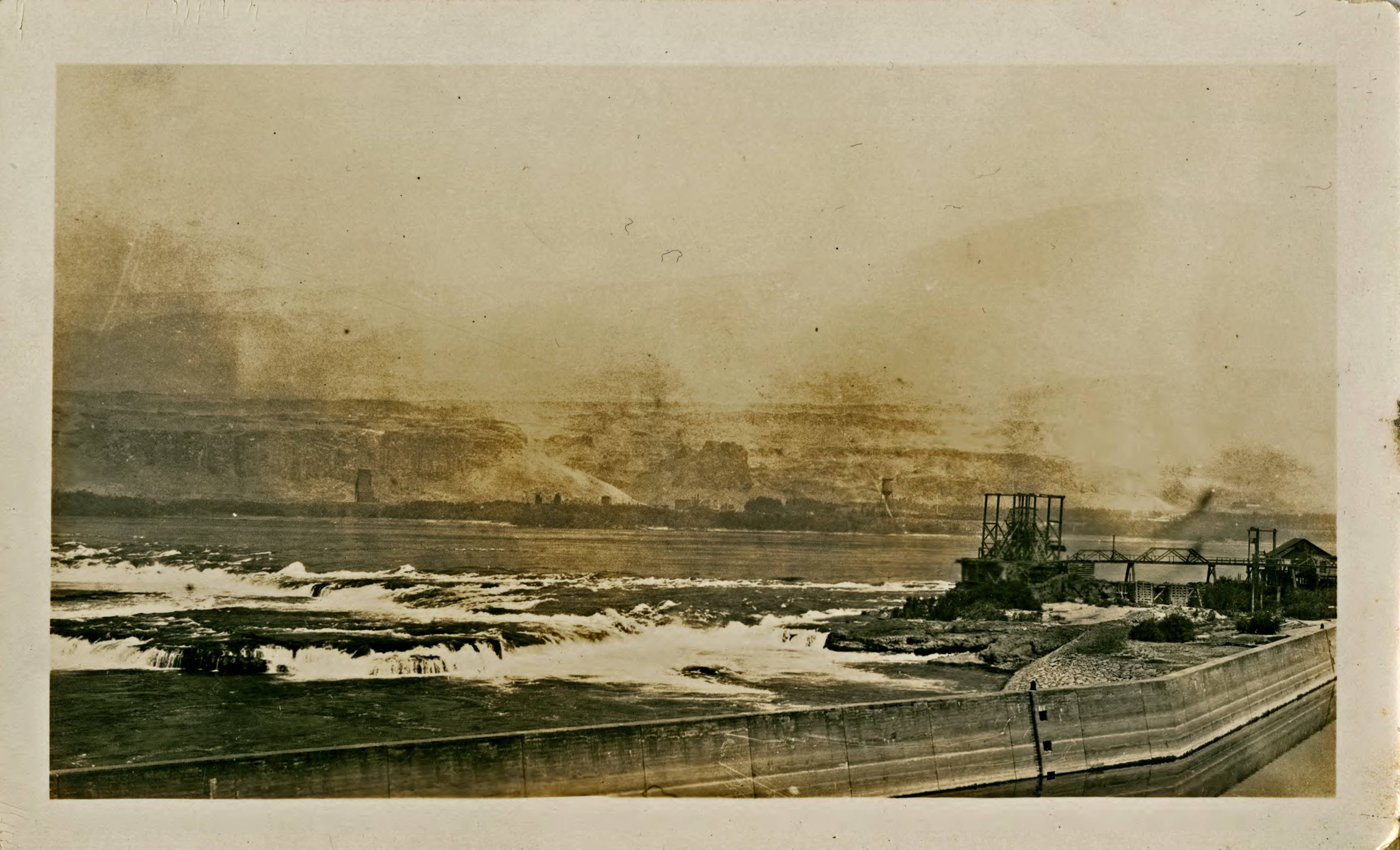
Pre-dammed Cascades. 1912(?) author unknown.

Pre-dammed Cascades. 1912(?) author unknown.

Loo-wit was changed into a snow-capped peak which still has the youth and beauty promised by the Great Spirit. She is now called Mount St. Helens. Wyeast is known as Mount Hood, and Klickitat as Mount Adams. The rocks and white water where the Bridge of the Gods fell are known as the Cascades of the Columbia.

——-Clark,Ella (1953) Indians of the Pacific Northwest (renewed 1981). The Regents of the University of California

A Mount Adams Story

A Mount Adams Story

Pahto | © 2010 H a v e n

Pahto | © 2010 H a v e n

Mount Adams (12,307 feet in altitude), the second highest peak in Washington, stands in the southwestern part of the state. The Klickitat and Yakama Indians called it Pahto. They claimed it as their mountain.

This legend was told by Chief Jobe Charley, with his granddaughter, Hattie Wesley, acting as interpreter. Now eighty-six years old, Jobe Charley heard the story when he was a little boy. When he got his first horse, he rode to Mount Adams and climbed it. Until he saw the eagles up there, he had not believed the story. Many eagles are hatched in the caves in the east side of Mount Adams.

Back when the mountains were people, Sun was a man. He had five mountains for his wives. One was Plash-Plash, where the Goat Rocks are now. Plash-Plash means “white spots.” Another was Wahkshum, west of Satus Pass. The others were Mount Adams, Mount Rainier, and Mount St. Helens. The Indians called all of them Pahto, which means “standing high.” Wahkshum and Plash-Plash were once known as Pahtoes also. I will call only Mount Adams Pahto in this story, for Rainier and St. Helens are not important in it.

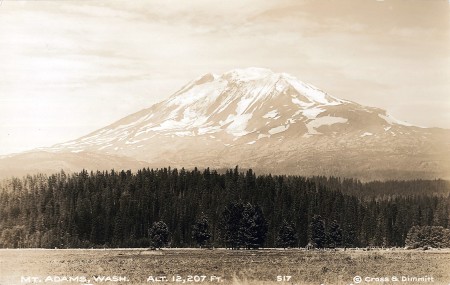
Mt. Adams post card from the 1920's.

Mt. Adams post card from the 1920′s.

Sun traveled from east to west, of a course. So Wahkshum was the first wife he talked to every morning. Plash-Plash was the second, and Pahto was the third. Pahto became jealous of the other two and made up her mind to get rid of them. Jealous and angry, she fought them and broke down their high heads. All that is left of Plash-Plash is goat rocks. All that is left of Wahkshum is the mountain called Simcoe Mountain and the little huckleberry bushes on it. Rainier and St. Helens were so far away that Pahto left them alone.

For a while after she had broken the heads of Wahkshum and Plash-Plash, Pahto was happy. Every morning she was the first wife Sun spoke to. She was the tallest mountain around, and she was proud and strong. But she did not remain satisfied. She made up her mind to go across the river and take what she wanted from the mountains south of her.

Mt. St. Helens. ca. 1920's

Mt. St. Helens. ca. 1920′s

So she went down there and brought back all their grizzly bears, black bears, elk, deer, pine nuts, huckleberries, roots, and herbs. From the rivers and creeks she took the salmon and trout and put them in the streams which flowed sown her sides. She planted the berries and the pine nuts and the roots all around her. She turned loose the elk, deer, and bears. That is why there are plenty on Mount Adams today.

All this time the great was watching. He saw the wrong things Pahto was doing. He thought to himself, “There must be a law that any wrongdoing shall be punished.”

But punishment did not come yet. Pahto was so strong and tall that the other mountains said, “We’ll not do anything about what she has done. We’ll just let it go.”

But Klah-Klahnee-You call them the Three Sisters- said among themselves, ”Pahto is too proud and greedy. We must do something.”

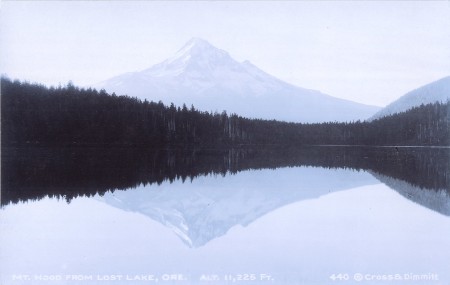
Wy'east.  Postcard, ca. 1920's

Wy’east. Postcard, ca. 1920′s

The came up north and said to Wyeast, Mount Hood, “Why don’t you destroy Pahto? Why do you let her get the best of you? You are tall and strong. Some day there will be people on the earth. When they find that we have let Pahto destroy us and steal from us, they will make fun of us.”

That is how Klah-Klahnee caused Wyeast to fight Pahto. “If I get the best of her,” Wyeast promised them, “I’ll take all that she has stolen from us.”

But first Wyeast said to Pahto, in a nice way, “I want you to give back half of what you took from us. When the new people come, those who live in are part of the country should have the same food that people near you will have. I am asking you now, in a nice way, for only half of what you took from us. If you give it to me, the new people will have food.”

But Pahto was greedy. ” No, I shall never give you anything,” she said.

So they fought.

Paul Kane painting.

Paul Kane painting.

Up to that time, Pahto had a high head. Wyeast hit her from the east side and knocked her head off. Today on the north side of Pahto there is a pile of fine rocks about a half a mile long. These rocks were once Pahto’s head.

The Wyeast thought, “I’ll leave here and there a little bit of everything she took away-elk, deer, berries, I’ll put some here, some there. Pahto can’t have everything.” So Wyeast shared with the other mountains.

The Great Spirit saw all that happened. He did not try to help Pahto. ”She deserved that punishment,” he thought. “She deserved to lose her head because she destroyed the heads of Wahkshum and Plash-Plash. That will be the law. If people do wrong they will be punished in the same way.”

But after Pahto lost her head, she became mean. Whenever she became angry, she would send a big thunderstorm and much rain. In the winter she would send big snows, and in the spring there would be floods. All through the Yakama Valley there were lakes from the big floods. When the first people came to the earth, they lived only on the mountains.

The Great Spirit was watching. He saw all that happened. At last he said, “I shall make a new head for Pahto. Then she will not be so mean.”

So he sent down a big white eagle with his son, a red eagle, riding on his right shoulder. He put the two eagles on top of Pahto, to be her head. Then he said to her, “I am sending white eagle and his son to you, to be your head. Don’t have hard feelings toward the other mountains. And don’t flood the earth again. Remember that you are the daughter of the Great Spirit.

Pahto answered, “I am glad you have given me the eagles. I will forgive the other mountains, and I will not flood the country anymore.”

Then she raised her right hand and said, “I did not know that the Great Spirit is my father. I am sorry for all wrong things I have done.”

Then the Great Spirit replied, ” I gave the world to you mountains. I put you here and there, where I wanted you to be. Some of you I made high. Some I made low. You should have never destroyed Wahkshum and Plash-Plash.”

Source: (http://archiver.rootsweb.ancestry.com/th/read/FOLKLORE/2000-09/0968495643)

Volcanoes in Cascadian Myth

Warring gods, black snow and deities represented by mountains are central

Wy'east | © 2015 H a v e n

Wy’east | © 2015 H a v e n

features of native folklore focusing on volcanoes in the Cascade Range.

To the Yakama, Klickitat, Cowlitz, Multnomah, Puyallup, Nisqually and other Native Americans of the Pacific Northwest, peaks like Mt. St. Helens embodied supernatural and spiritual forces…”

Why did my Chinook Ancestors flatten their heads?

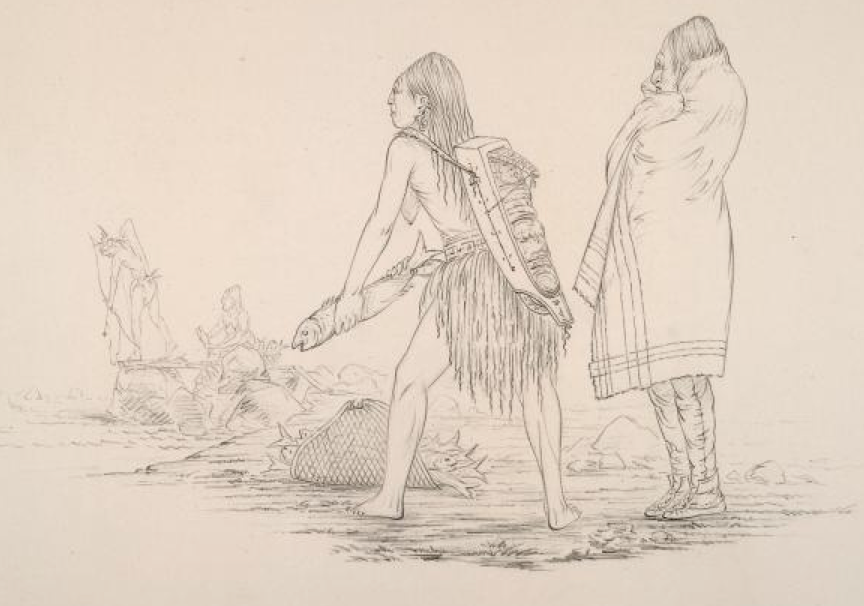
George Catlin. 1850

George Catlin. 1850

The picture is from about 1850 and is a pencil drawing of a scene at The Dalles, on the Columbia River by George Catlin. It clearly depicts the flat heads my tribe gave their children at birth by use of a set cradle board over the forehead during the first few months of life. Learn more here.

I am very interested in why we did this? Were there any old stories that were told that explained why we started flattening our foreheads? How did we come to accept and implement such a custom, that seems so foreign to our modern standards of beauty?

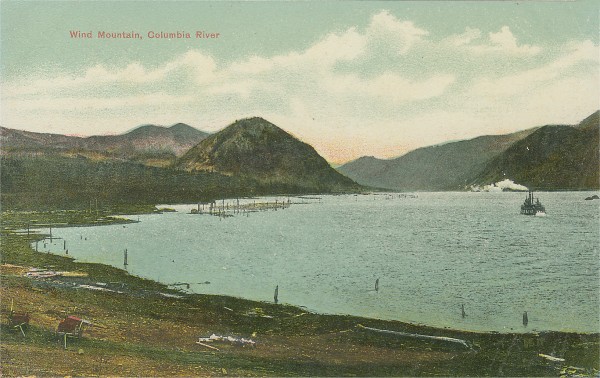
Penny Postcard, ca.1910, "Wind Mountain, Columbia River."

Penny Postcard, ca.1910, “Wind Mountain, Columbia River.”

What role did the landscape we live in play in this custom? I have always noticed a similarity between the contours of Wind Mountain and the profile of the flattened head, is this just coincidence? So many questions… so go’s the seeking.

The Journey has just Begun.

For the last several months I have been deeply steeped in book and print research, but this is not where my passion lies. I wish to be out and about with my recording gear, searching and digging for more knowledge and just sitting with the sound of the rivers and winds. It really is gathering many stories to piece together one story. The very question that started this whole journey was: “Who were my Ancestors?’ and from that one question, come many tributaries. And still my thirst grows.

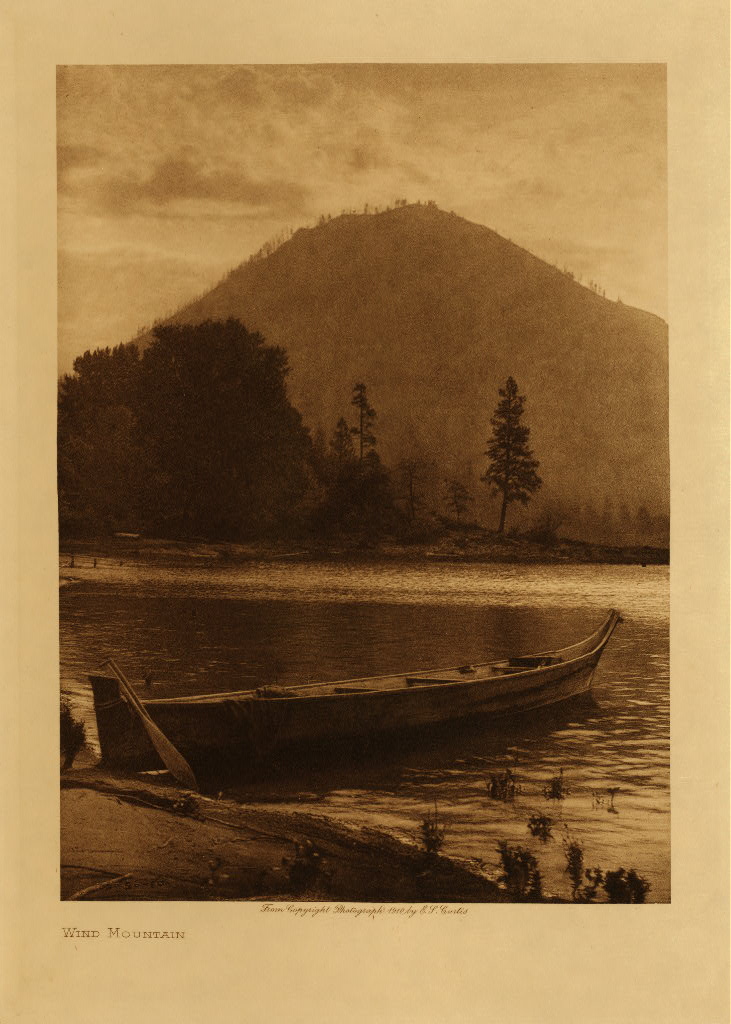
Auntie Virginia Miller's Canoe. Edward S. Curtis photo

Auntie Virginia Miller’s Canoe. Edward S. Curtis photo

I am about to fully step into the initial aims of this project of documenting what is left of our Stories, meaning, more living persons oral histories. Some of my Watala/Cascade cousins are looking at dis-enrollment from the Grand Ronde tribe (read more here) and fighting for what it means to be ‘Indigenous’. The honest truth is, we are becoming ghosts and I wish to honor a memory, fully and honestly. I want to know what our traditions were. I want to know why Wind Mountain was so Sacred to us and I want it to become sacred again, before we are all gone. I want to know how the landscape shaped our myth and our traditions…

BUT….yet, I am the Immigrant carrying goods upriver and I am the hands that would build the dam that would silence it forever. I am of many stories. And giving the way the modern world is swallowing our sense of belonging to place, we too, and our stories, are becoming ghosts.

The journey has just begun.

Blue Jay visits Ghost Town: A Chinook Legend

In this rather gloomy tale with its grim ending, the culture hero Blue Jay meets his final end through his mincing, mischievous ways, in the land of the dead, – Ghost Town.
IMG_20130307_123742

H a v e n | © 2014

One night the ghosts decided to go out and buy a wife. They chose a woman named Io’i, and gave her family dentalia as a dowry. They were married one night, and on the following morning Io’i disappeared. Now Io’i had a brother named Blue Jay. For a year he waited to hear from her, then said, “I’ll go search for her.” He asked all the trees, “Where do people go when they die?” they remained silent. He asked all the birds, but they did not tell him either. Then he asked an old wedge. It said, “Pay me and I’ll carry you there.” He did, and it took him to the ghosts. The wedge and Blue Jay arrived near a large town, where they saw no smoke rising from any of the houses except the last one, a great edifice. Blue Jay went into it and found his elder sister, who greeted him fondly. “Ah, my brother,” she said, “where have you come from? Have you died?” “Oh, no,” he said, “I am not dead at all. The wedge brought me here on his back.” Then he went out and opened the doors to all the other houses. They were full of bones. He noticed a skull and bones lying near his sister, and when he asked her what she was doing with them, she replied: “That’s your brother-in-law!” “Pshaw! Io’i is lying all the time,” he thought. “She says a skull is my brother-in-law!” But when it grew dark people arose from what had been just bones, and the house was suddenly full of activity. When Blue Jay asked his sister about all the people, she laughed and replied, “Do you think they are people? These are ghosts!” Even hearing this, though, he resumed staying with his sister. She said to him, “Do as they do and go fishing with your dip net.” “I think I will,” he replied. “Go with that boy,” she said, pointing to a figure. “He is one of your brother-in-law’s relations. But don’t speak to him; keep quiet.” These people always spoke in whispers, so that Blue Jay didn’t understand them. And so they started in their canoes. He and his guide caught up with a crowd of people who were going down the river, singing aloud as they paddled. When Blue Jay joined their song, they fell silent. Blue Jay looked back and saw that where the boy had been, there were now only bones in the stern of the canoe. They continued to go down the river, and Blue Jay kept quiet. Then he looked at the stern again, and the boy was sitting there. Blue Jay said in a low voice, “Where is your fish trap?” He spoke slowly, and the boy replied, “It’s down the river.” They paddled on. Then Blue Jay said in a loud voice, “Where is your trap?” This time he found only a skeleton in the stern. Blue Jay was again silent. He looked back, and the boy was sitting in the canoe.
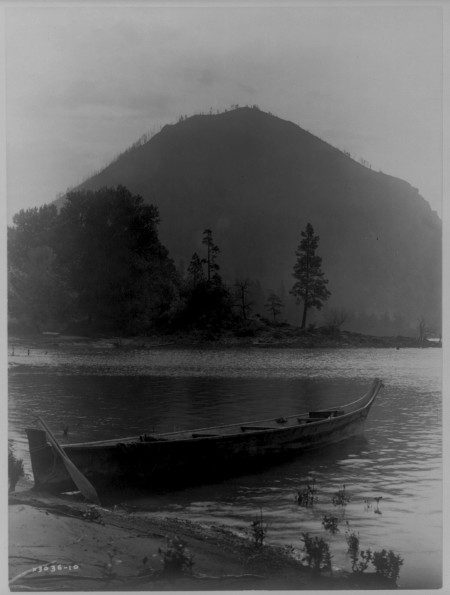
Auntie Virginia Miller's Canoe. Edward S. Curtis

Auntie Virginia Miller’s Canoe. Edward S. Curtis

He lowered his voice and said, “Where is your trap?” “Here,” replied the boy. Now they fished with their dip nets. Blue Jay felt something in his net, and lifted it, and found only two branches. He turned his net and threw them into the water; it soon became full of leaves. He threw them back, but some fell into the canoe and the boy gathered them up. As they continued fishing, Blue Jay caught two more branches that he decided to take back to Io’i for making a fire. They arrived at home and went up to the house. Blue Jay was angry that he had not caught anything, but the boy brought up a mat full of trout, even though Blue Jay had not seen him catch a single one in his net. While the people were roasting them, the boy announced, “He threw most of the catch out of the canoe. Our canoe would have been full if he had not thrown so much away.” His sister said to Blue Jay: “Why did you throw away what you had caught?” “I threw away nothing but branches and leaves.” “That is our food,” she replied. “Did you think they were branches? The leaves were trout, and the branches were fall salmon.” He said, “Well, I brought you two branches to use for making a fire.” So his sister went down to the beach and found two fall salmon in the canoe. She carried them up to the house, and Blue jay said, “Where did you steal those salmon?” She replied, “That’s what you caught.” “Io’i is always lying,” Blue Jay said. The next day Blue Jay went to the beach. There lay the canoes of the ghosts, now full of holes and covered with moss. He went up to the house and said to his sister, “How bad your husband’s canoes are, Io’i!” “Oh, be quiet,” she said. “They’ll become tired of you.” “But the canoes of these people are full of holes!” Exasperated, his sister turned to him and said, “Are they people? Are they people? Don’t you understand? They are ghosts.”
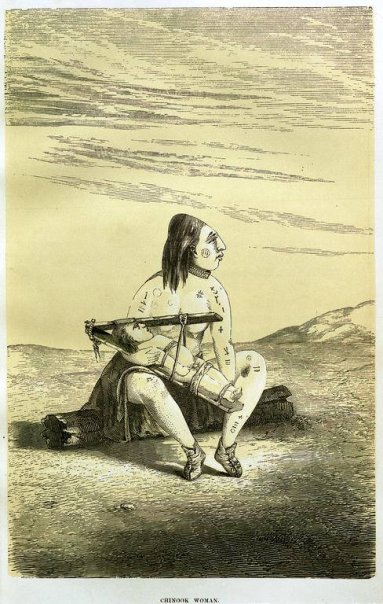
Paul Kane drawing of one of my Watala/ Chinook ancestors.

Paul Kane drawing of one of my Watala/ Chinook ancestors.

When it grew dark again, Blue Jay and the boy made themselves ready to go fishing again. This time he teased the boy: as they made their way down the river, he would shout, and only bones would be there. When they began fishing, Blue Jay gathered in the branches and leaves instead of throwing them away. When the ebb tide set in, their canoe was full. On the way home, he teased all the other ghosts. As soon as they met one he would shout out loud, and only bones would lie in the other canoe. They arrived at home, and he presented his sister with armfuls of fall salmon and silver-side salmon. The next morning Blue Jay went into the town and waited for the dark, when the life came back. That evening he heard someone announce, “Ah, a whale has been found!” his sister gave him a knife and said, “Run! A whale has been found!” Anxious to gather meat, Blue Jay ran to the beach, but when he met one of the people and asked in a loud voice, “Where is the whale?” only a skeleton lay there. Then he came to a large log with thick bark. A crowd of people were peeling off the bark, and Blue Jay shouted to them so that only skeletons lay there. The bark was full of pitch. He peeled off two pieces and carried them home on his shoulder. He went home and threw the bark down outside the house. He said to his sister, ” I really thought it was a whale. Look here: it’s just bark from a fir.” His sister said, “It’s whale meat, it’s whale meat; did you think it’s just bark?” His sister went out and pointed to two cuts of whale meat lying on the ground. “It’s good whale, and it’s blubber is very thick.” Blue Jay stared down at the bark, astonished to find a dead whale lying there. Then he turned his back, and when he saw a person carrying a piece of bark on his back, he shouted and nothing but a skeleton lay there. He grabbed the bark and carried it home, then went back to catch more ghosts.
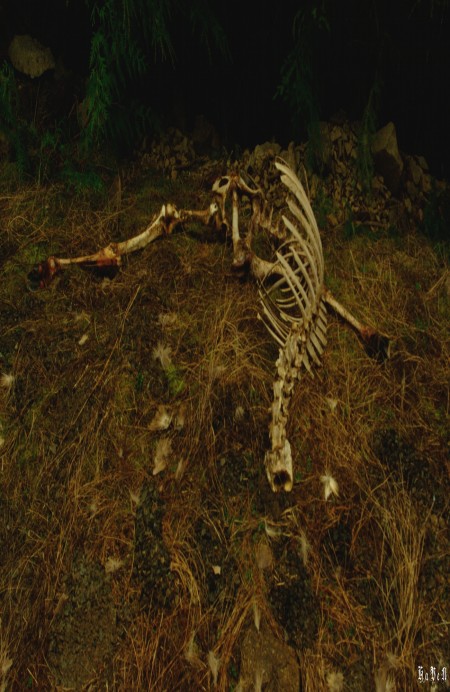
Elk | H a v e n ©2013

Elk | H a v e n ©2013

In the course of time he had many meals of whale meat. The next morning he entered a house and took a child’s skull, which he put on a large skeleton. And he took a large skull and put it on that child’s skeleton. He mixed up all the people like this, and when it grew dark the child rose to it’s feet. It wanted to sit up, but it fell down again because its head pulled it down. The old man arose. His head was too light! The next morning Blue Jay replaced the heads and switch around their legs instead. He gave small legs to an old man, and large legs to a child. Sometimes he exchanged a man’s and a woman’s legs. In course of time Blue Jay’s antics began to make him very unpopular. Io’i's husband said: “Tell him he must go home. He mistreats them, and these people don’t like him.” Io’i tried to stop her younger brother’s pranks, but he would pay no attention. On the next morning he awoke early and found Io’i holding a skull in her arms. He tossed it away and asked: “Why do you hold that skull, Io’i?” “Ah, you have broken your brother-in-law’s neck!” When it grew dark, his brother in law was gravely sick, but a shaman was able to make him well again. Finally Blue Jay decided it was time to go home. His sister gave him five buckets full of water and said: “Take care! When you come to burning prairies, save the water until you come to the fourth prairie. Then pour it out.” “All right,” replied Blue Jay. He started out and reached a prairie. It was hot. Red flowers bloomed on the prairie. He poured water on the prairie, using half of one of his buckets. He passed through a woods and reached another prairie, which was burning at its end. “This is what my sister told me about.” He poured the rest of the bucket out on the trail. He took another bucket and poured, and when it was half empty he reached the woods on the other side of the prairie. He came to still another prairie, the third one. One half of it was burning strongly. He took a bucket and emptied it. He took another bucket and emptied half of it. Then he reached the woods on the other side of the prairie. Now he had only two and a half buckets left. He came to another prairie which was almost totally on fire. He took the half bucket and emptied it. He took one more bucket, and when he arrived at the woods at the far side of the prairie, he had emptied it. Now only one bucket was left. He reached another prairie which was completely ablaze. He eked out the last drop of water. When he had gotten nearly across he had run out of water, so he took off his bearskin blanket and beat the fire. The whole bearskin blanket blazed up. Then his head and hair caught fire and soon Blue Jay himself was burned to death.
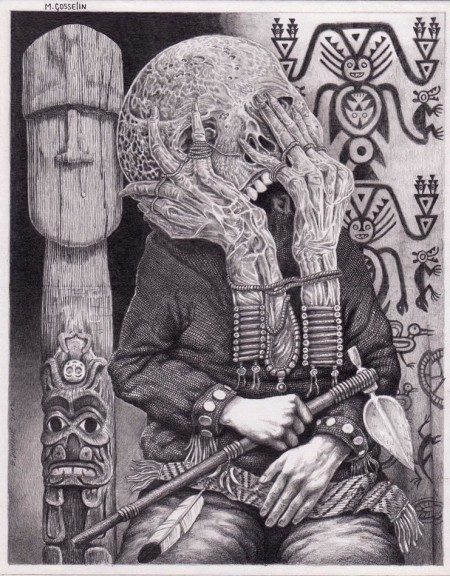
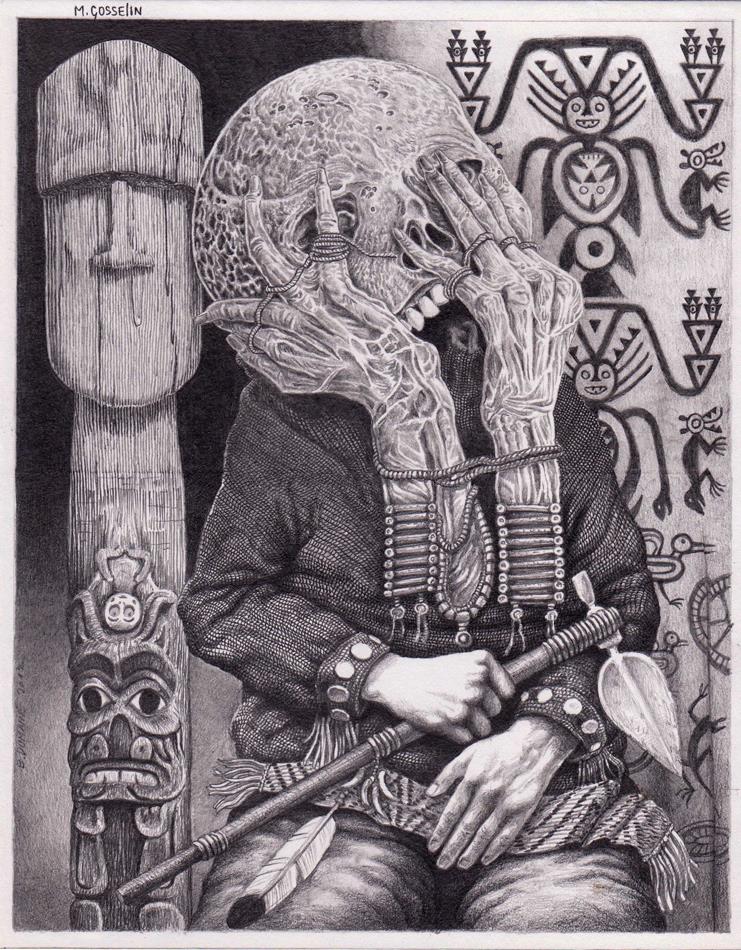
'you put a spell on me. 'exquisite corpse drawing © Bernard Dumaine & Marc Gosselin

‘you put a spell on me. ‘exquisite corpse drawing by Bernard Dumaine & Marc Gosselin.

Now when it was just growing dark Blue Jay returned to his sister. “Kukukukukuku, Io’i,” he called. Mournfully his sister cried, “Ah, my brother is dead.” His trail led to the water on the other side of the river. She launched her canoe to fetch him. Io’i's canoe seemed beautiful to him. She said, “And you told me that my canoe was moss-grown!” “Ah, Io’i is always telling lies. The `other’ ones had holes and were moss grown, anyway.” “You are dead now, Blue Jay, so you see things differently.” But still he insisted, “Io’i is always telling lies.” Now she paddled her brother across to the other side. He saw the people. Some sang; some played dice with beaver teeth or with ten disks. The women played hoops. Farther along, Blue Jay heard people singing conjurers’ songs and saw them dancing, kumm, kumm, kumm, kumm. He tried to sing and shout, but they all laughed at him. Blue Jay entered his sister’s house and saw that his brother-in-law was a chief, and a handsome one. She said: “And you broke his neck!” “Io’i is always telling lies. Where did these canoes come from? They’re pretty.” “And you said they were all moss-grown!” “Io’i is always telling lies. The others all had holes. Parts of them were moss-grown.” “You are dead now, and you see things differently,” said his sister. “Io’i is always telling lies.” Blue Jay tried to shout at the people, but they laughed at him. Then he gave it up and became quiet. Later when his sister went to look for him, he was standing near the dancing conjurors. He wanted their powers, but they only laughed at him. He pestered them night after night, and after five nights he came back to his sister’s house. She saw him dancing on his head, his legs upward. She turned back and cried. Now he had really died. He had died a second time, made witless by the magicians.

Based on a tale reported by Franz Boas in 1894, and is now in the public domain.
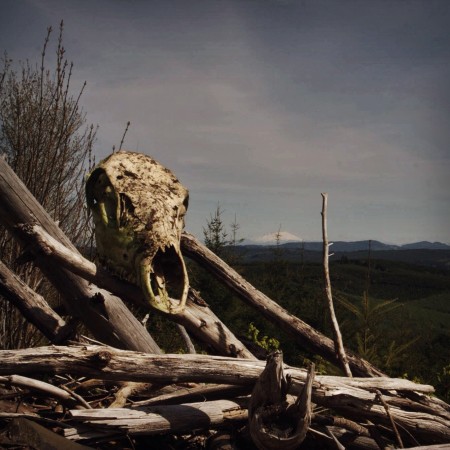
How Coyote Helped The People- Columbia Basin Tribes

This is a composite of many tales related by many tribes that once lived along the Columbia River and its tributaries. For the sake of this story, the many traditions have been weaved together. No one tribe told about all these deeds of Coyote.

Artist unknown

Artist unknown

The part about Lake Chelan and the waterfall was told by Billy Curlew, at that time he was the present titular chief of the Moses-Columbia band of Indians, to the Forest Supervisor at the agency at Nespelem, with lack Jack Weipe as interpreter.

After Old-One had made the earth and the ancient animal people, he sent Coyote among them, because they were very ignorant and were having a hard time. Coyote was told to kill the evil beings who preyed upon them and to teach them the best way of doing things.

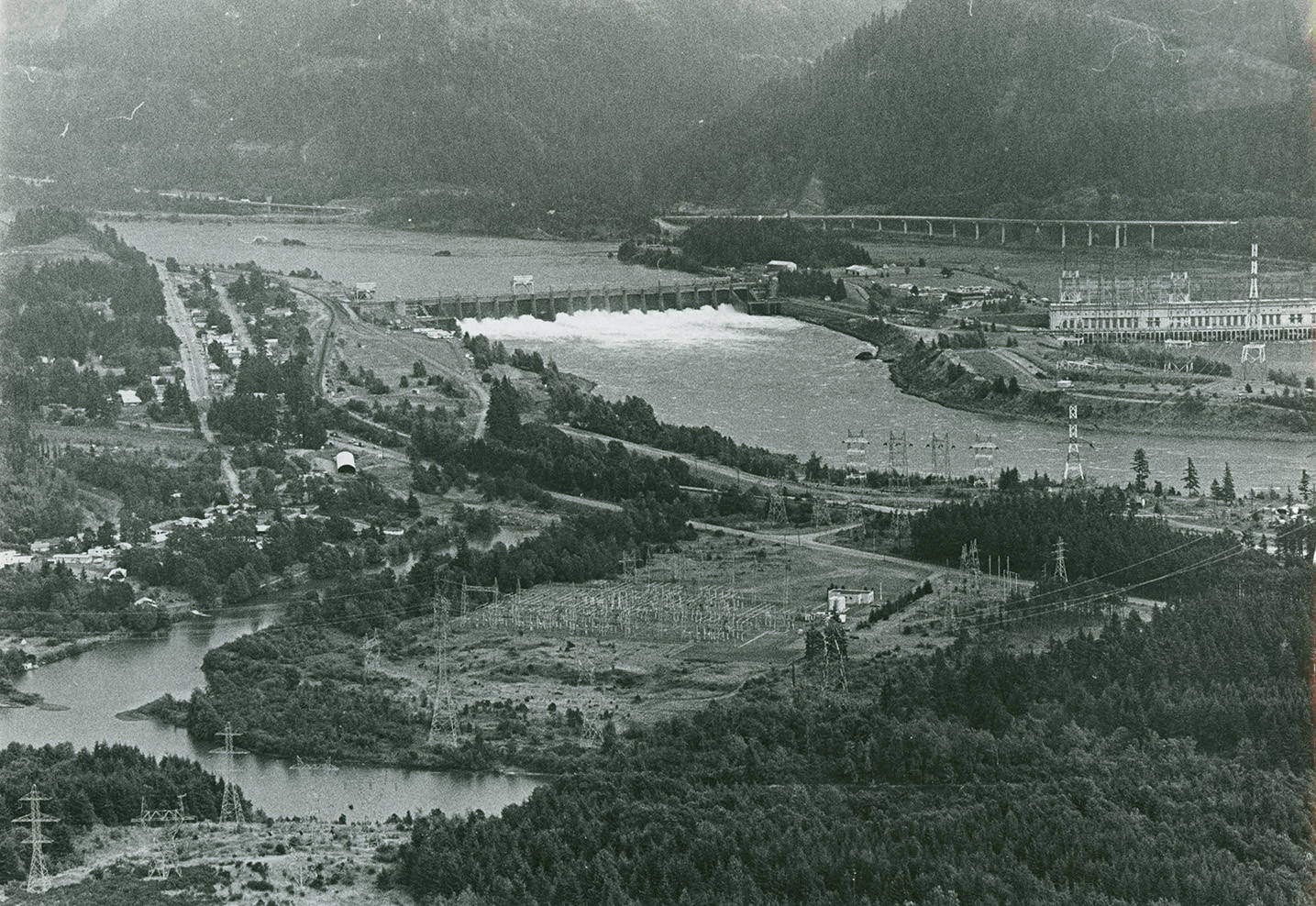
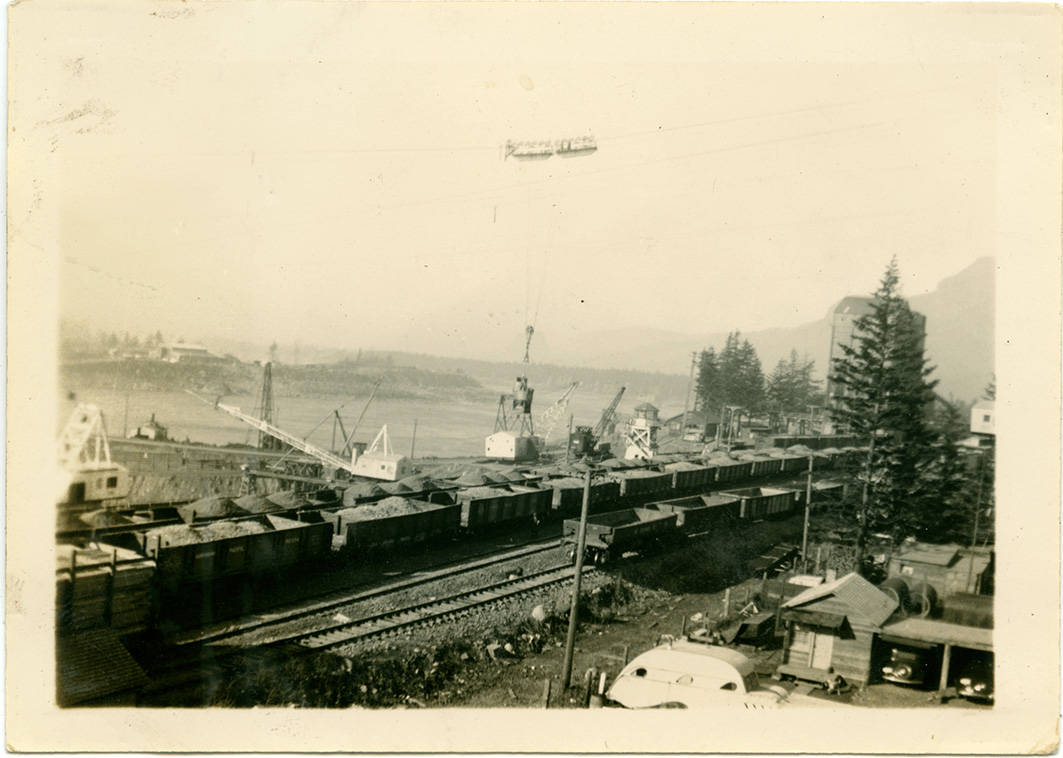
Bonneville Dam

Bonneville Dam

First he broke down the dam which five Beaver women bad built in the lower Columbia.”It is not right,” he said to them, “for you to keep the salmon penned up here. The people farther up the river are hungry.”

Then he changed the Beaver women into sandpipers. “You shall forevermore be sandpipers,” he said. “You shall always run by the water’s edge. You shall never again have control over salmon.”

By this time so many salmon had come up from the mouth of Big River that the water was dark with them. Coyote walked along the bank of the river, and the salmon followed him in the water. At all the villages, the animal people were glad to see him and the fish he brought. Their hunger was over.

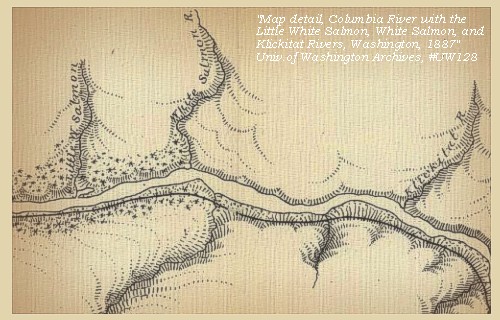
map of  white salmon area 1887

map of white salmon area 1887

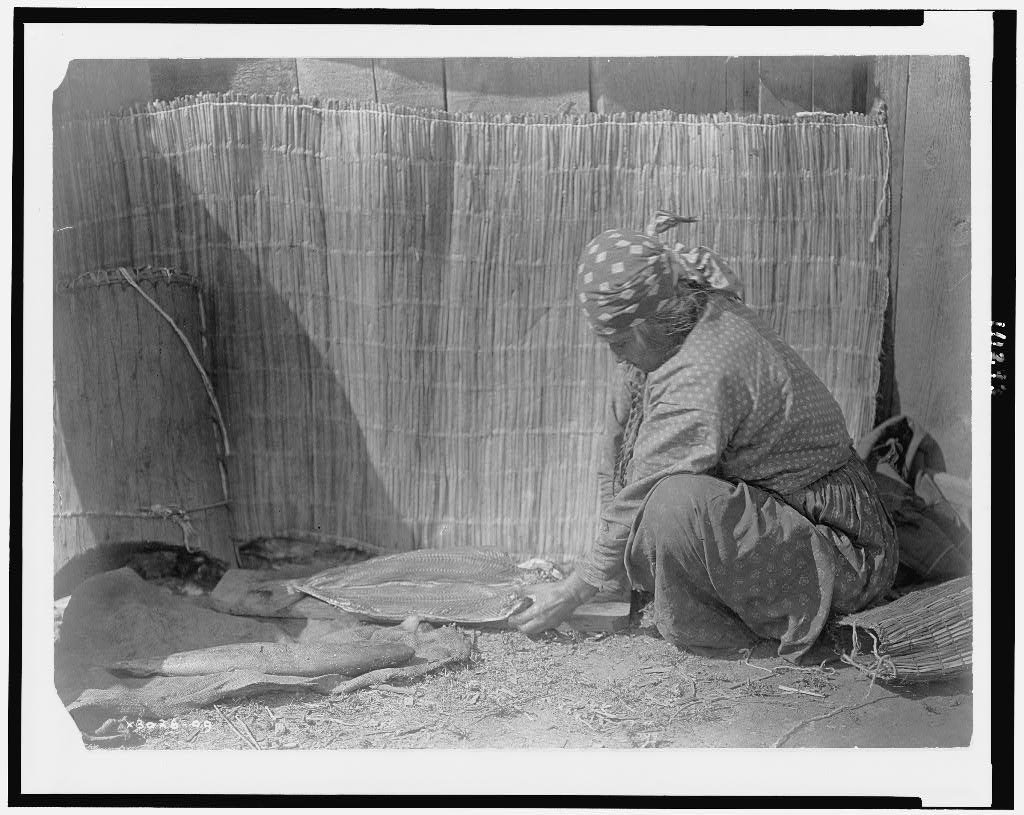
When he came to the Little White Salmon River, he stopped and taught the people how to make a fish trap. He twisted young twigs of hazel brush and hung the trap in the river. Then he showed the people how to dry fish and how to store it for winter use.When he came to the bigger White Salmon River, he showed the people how to spear salmon. He made a spear from the inside bark of a white fir tree and caught the salmon with the pointed end of the spear.

“This is how you should do it,” said Coyote.

Wishram Grandmother preparing Salmon. Edward S. Curtis photo.

Wishram Grandmother preparing Salmon. Edward S. Curtis photo.

Wherever he stopped, he showed the people how to cook fish. They had always eaten it raw. He showed them how to broil salmon by holding it over the fire on sticks. And he showed them how to cook it in a pothole. Along Big River, to this day, there is a round-bottomed hole in the rocks, a hole that people call Coyote’s Kettle. Coyote put salmon in that hole, poured a little water over it, dropped hot stones into the pothole, and covered everything with green grass to hold the steam. Thus the salmon was steamed until it was tender.”This is how you should do it,” Coyote told the people.

PEO001-00013

Preparing salmon for the First Salmon Ceremony. Stock image

Then he and the people had a big feast – a feast of salmon cooked in the proper way, the way he explained to them. Coyote said to the animal people along Big River and along all the streams which flow into it, “Every spring the salmon will come up the river to lay their eggs. Every spring you must have a big feast like this to celebrate the coming of the salmon. Then you will thank the salmon spirits for guiding the fish up the streams to you, and your Salmon Chief will pray to those spirits to fill your fish traps. During the five days of the feast, you must not cut the salmon with a knife, and you must cook it only by roasting it over a fire. If you do as I tell you, you will always have plenty of salmon to catch and to dry for winter.”

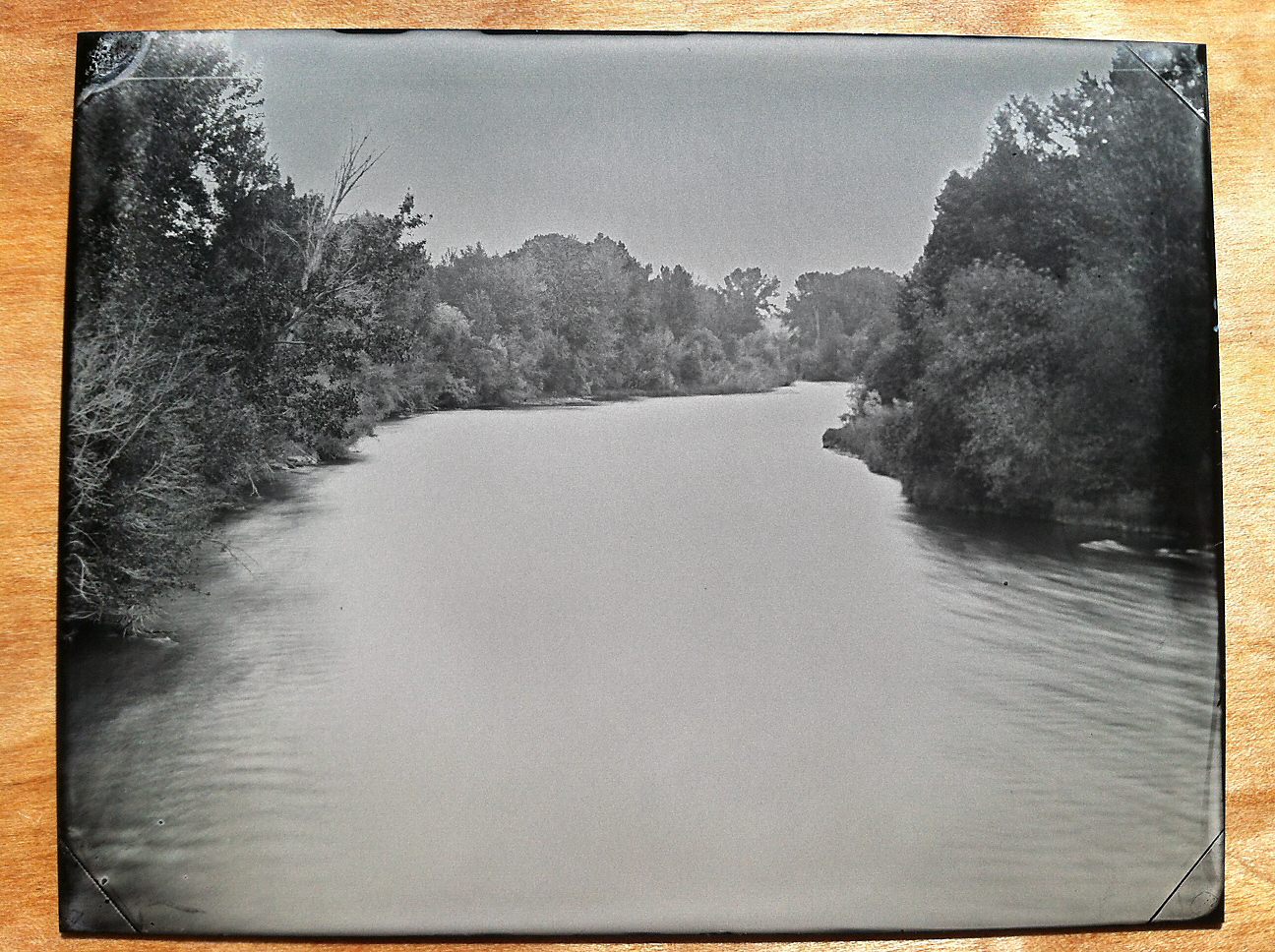
Yakama River.

Yakama River.

Then Coyote traveled farther up the river, and the salmon followed him. Often he came to a smaller stream flowing into Big River. Because the people along the Yakima and Wenatchee rivers treated him kindly, he sent the fish up their rivers and promised them that every spring the salmon would return. Where he was treated very kindly, he made the river narrow in one spot. He would make the two banks of a river almost meet, so that there would be a good place for catching salmon.When he came to the animal people along the Chelan River, he said to them, “I will send many salmon up your river if you will give me a nice young girl for my wife.”

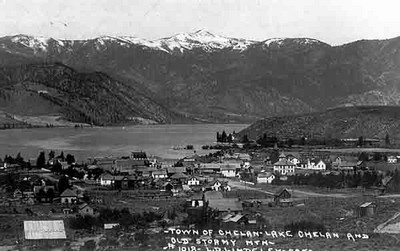
Lake Chelan.

Lake Chelan.

But the Chelan people refused. They thought it was not proper for a young girl to marry anyone as old as Coyote. So Coyote angrily blocked up the canyon of Chelan River with huge rocks and thus made a waterfall. The water dammed up behind the rocks and formed Lake Chelan. The salmon could never get past the waterfall. That is why there are no salmon in Lake Chelan to this day.

Artist rendering of Spokane Falls, 1888 from the book 'The Great Northwest.'

Artist rendering of Spokane Falls, 1888

Coyote made a waterfall in the Okanogan River because the girls there refused to marry him. He made a waterfall in the Spokane River because the chief along the upper river would not let him marry any girl among his people. Coyote said to the chiefs along the Okanogan and the Spokane “I will make falls here. I will make falls so that the salmon cannot get past them, to your people farther up the river.”As Coyote traveled up the rivers, he gave names to the streams and the mountains. He killed monsters that were destroying the animal people. He killed the Ice People and defeated Blizzard, so that the winters would not be so cold.

Pre-dammed Cascades. 1912(?) author unknown.

Pre-dammed Cascades. 1912(?) author unknown.

He planted trees, so that when the new people, the Indians, should come, they could burn wood and keep themselves warm. He planted huckleberries in the mountains. “People must climb to get these berries,” he said. “It will not be good for them to get all food easily. They will become lazy.” He planted strawberries and service berry bushes. He planted camas, kouse, and other roots, so that there would be all kinds of food for the new people. After the new people, the Indians, came, he showed them how to make fire by twirling sticks between their hands. He made a long knife to cut with, and an ax to chop with. He peeled bark off a cedar tree and made a cedar-bark canoe. “This is how you should do it,” he said.

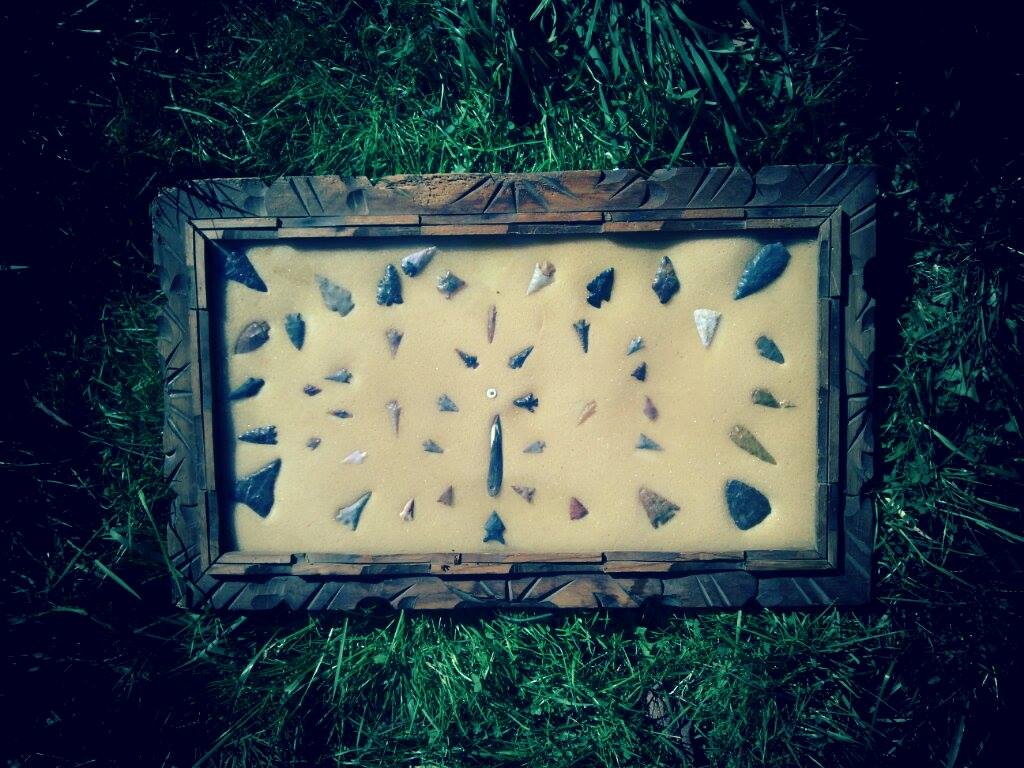
Arrow and spear collection -columbia river basin.

Arrow and spear collection -columbia river basin.

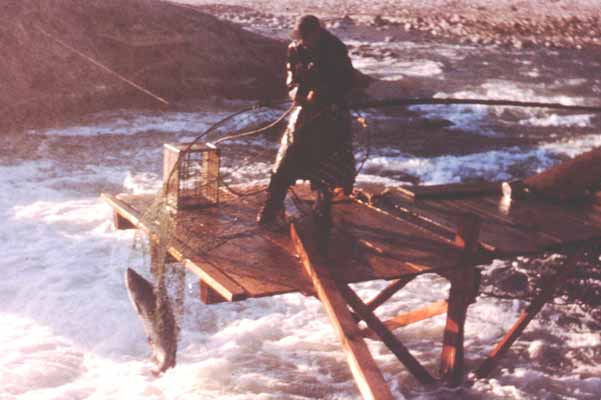
He taught them how to make bows and arrows from young arrowwood, and how to use the weapons. He made dip nets from maple and willow twigs, and showed the Indians how to catch salmon with them. He taught them how to make fishing platforms near the falls of Big River and how to spear salmon from these platforms. He made a basket trap also for catching fish. Coyote taught the Indians that salmon must always be kept clean. “if you do not keep them clean after you have caught them,” Coyote said, “they will be ashamed and not come up the river any more.

Salmon offering plate.

Salmon offering plate.

“And you must never cook any more than you can eat. If you cook three salmon when you are able to eat only half of one, the salmon will be ashamed and will refuse to enter your river.”

Many times he traveled up and down Big River and its branch rivers, teaching the people many useful things. Almost everything the Indians knew, Coyote taught them. He did many good things, but he did many wicked things also.

Indians say that when Coyote had done all the good things he could do, he was given a place in the sky. Other Indians say that he was punished for the bad things he had done.

Hail Coyote! Unknown photographer.

Hail Coyote! Unknown photographer.

He climbed to the sky on a rope. He climbed all one summer and all one winter. Then he fell down for a long, long time. When he struck the ground, he was mashed flat.

Lying there, he heard a voice say, “You shall always be a wanderer and shall forever howl and cry for your sins.”

That is why coyotes howl and cry at night. That is why they wander hungry and friendless over the earth.

*This story taken from the book Indian Legends of the Pacific Northwest, Ella E. Clark, University of California Press, 1953.

The Impact of the Bonneville Dam on Native American Culture

The impact of the Bonneville Dam on Native American Culture
(Re-Printed from: http://www2.kenyon.edu/projects/Dams/bsc02yogg.html)

For the Native American tribes living in the Columbia River Basin, salmon are an integral part of their lives, serving as a symbol of their prosperity, their culture and their heritage. There are more than fourteen different tribes represented in the area, including the Nez Perce, Umatilla, Warm Springs, and Yakama tribes. While they are separate tribes, with differing cultures and traditions, their reliance on salmon to maintain their way of life is a common bond.

Auntie Virginia Miller's Canoe. Edward S. Curtis photo

Auntie Virginia Miller’s Canoe. Edward S. Curtis photo

Life Before the Dam

Economically, salmon were a large part of the culture of most of the tribes along the Columbia River. Before the treaty of 1855, many tribes had sucessful fishing economies. They traded salmon in order to obtain goods from other regions of the country. The salmon that were necessary to sustain their bodies and provide for their economic needs were available to them and therefore, the tribes were wealthy and self-sufficient. The economic benefits of the salmon were tremendously important for the welfare and maintenance of their communities, representing one of many significant benefits of salmon to their lives.

Year after year and generation after generation, the salmon returned every fall to spawn in the river. With this, a transfer of traditional knowledge and values occured. They passed on knowledge of fishing tecniques, as well as philosopies such as a respect for all forms of life. The return of Salmon to the river and subsequent transfer of knowledge symbolized to the natives that there had been a continuation of all life and assured them that their culture, tradition and spirituality had been upheld. It also served to reinforce their sense of place. When the salmon returned the tribes would gather down at the river to collect the salmon they needed to sustain them for the year. During the spring and summer they would head up to the hills to collect roots and berries to supplement their diet. People have mistaken these tribes to be nomads who wandered aimlessly in search of food and resources, but this is a misconception. These tribes followed the seasons, utilizing their resources in a circular pattern. The salmon were a fundamental component of their seasonal migration and their way of life.

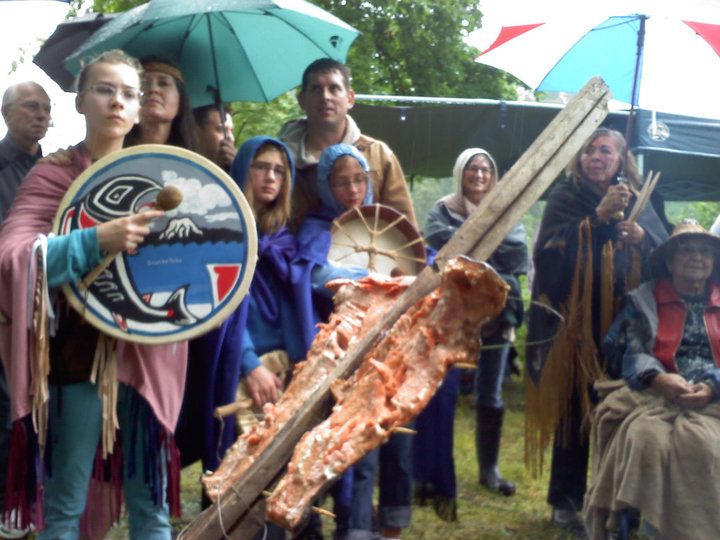
Cowlitz First Salmon Ceremony, Photo Unknown

Cowlitz First Salmon Ceremony, Photo Unknown

Because the salmon played such an important role in their way of life, the salmon were incorporated into their spirituality and religious practices as well. The tribes felt that their souls were connected to the natural world and all of its inhabitants, including the salmon. Because of this “over a dozen longhouses and churches on reservations and ceded areas depend on salmon for their religious services” (http://www.critfc.org/text/IMPORT.HTM). The return of the salmon each year was cause for celebration. One of the ceremonies used in celebration of the salmon was the First Food Feast. In this celebration they would pray, sing and dance before eating a traditional meal of salmon, deer or elk, roots and berries. Antone Minthorn of the Umatilla tribe explained the importance of this ceremony…

The importance of the first salmon ceremony has to do with the celebration of life, of the salmon as subsistence, meaning that the Indians depend upon the salmon for their living. And the annual celebration is just that – it’s an appreciation that the salmon are coming back. It is again the natural law; the cycle of life.

(www.critfc.org/text/CERMON.HTM)

A Clash of Cultures

The native tribes to the land surrounding the Columbia, and the white settlers that arrived in the early to mid 1800′s had very different philosophies concerning their respective relationships with the land.

Fish Wheels near North Bonneville. Photo unknown

Fish Wheels near North Bonneville. Photo unknown

In general the white settlers displayed a disregard for the limits of their resources and brought with them the concepts of ownership and property. As a result of this, the non-Indian economy thrived at the expense of the Native Americans, whose fishing economy was driven almost to extinction. The native way of life depended on respecting the earths limits. They saw themselves as spiritually connected to the land, the animals, and its incredible abundance of resources, and they knew that by hurting the land they were hurting themselves. They understood the importance of sustainability, realizing that even if the effects of exploitation were not immediately apparent, they would be felt eventually, hindering the lives of the generations to come. This fostered a duty to protect the salmon. Bill Frank Jr. stated:

Survival of the salmon has always meant more than just food for the Indian people. Indians have long recognized that if they are to survive and if their children’s children are to survive, it will be because the salmon survives. It is their legacy.

(biology.uoregon.edu/classes/bi130/webprojects/35/tedstrong.html)

Construction of Bonneville dam, directly on top of my Ancestors old Village site.

Construction of Bonneville dam, directly on top of my Ancestors old Village site.

As the salmon population declined and many of their traditional fishing sites were flooded as a result of the constriction of the Bonneville Dam and other dams along the Columbia River, the culture, tradition and spirituality of these tribes have been put in danger. The native philosophies were essential in managing the resource of salmon, yet they were powerless in enforcing their methods because their ideas were seen as inferior. Allen V. Pinkham Sr. of the Nez Perce tribe who among other involvements in Native American politics spent nine years on the Nez Perce Tribal Council and was chairman of the Columbia River Tribal Fish Commission, explained:

We utilized the salmon resource, we didn’t deplete it. We utilized what was necessary to sustain our lifestyle and life ways, both spiritually and physically. Nobody does that anymore. Non-natives see only the salmon as a commodity that gets bought and sold. Not thinking about the survivability of that salmon as a species.

(Pinkham, 1996)

Present Day

Old unknown photo of a dip-netter.

Old unknown photo of a dip-netter.

Today the Native Americans struggle to maintain their fishing economy. A recent article by Ellen Morris Bishop in the Columbian describes the hapless state of Native American commercial fishing as follows:

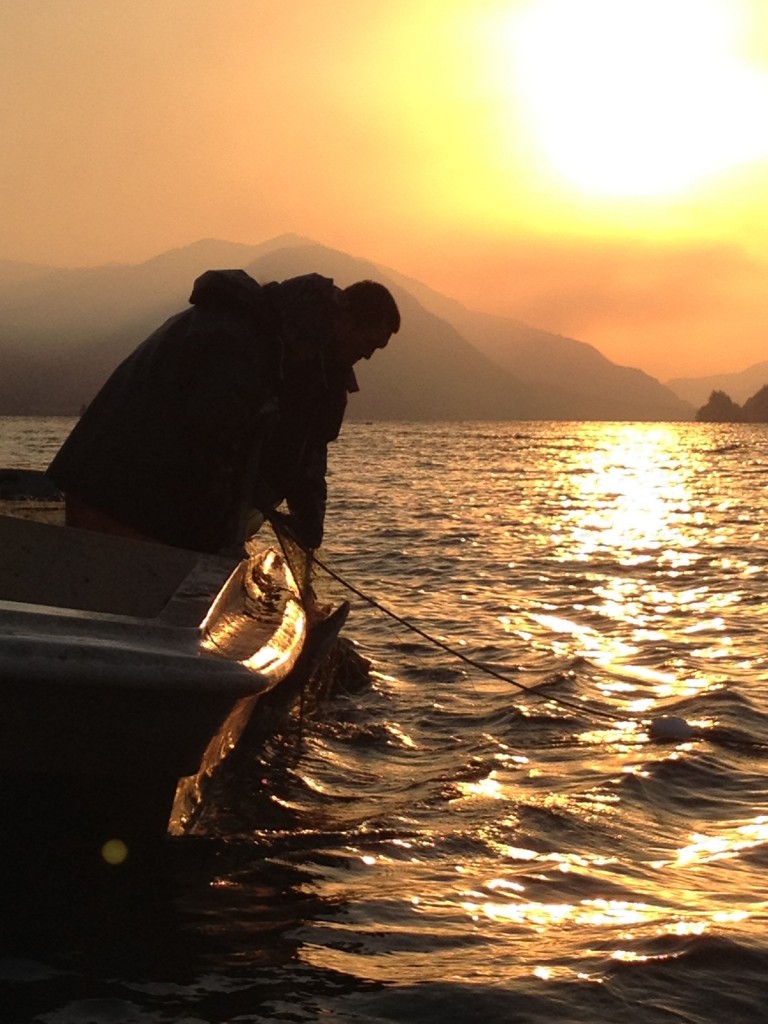
In the next month, Indians from Eastern Washington and Oregon will balance on flimsy platforms above the river’s current and plunge nets into the rolling green water. Others will challenge the Columbia in battered Boston Whaler boats, setting out gill nets in gathering darkness and harvesting their catch at dawn. They fish at sites their ancestors used, sites registered with the tribe, sacred ground.

(Bishop, August 27, 1998)

Les Brown photo. ©2012

Les Brown photo. ©2012

A decade ago there were nearly 1,100 native fishermen, while today they number fewer than 500. This year, in accordance with Native American treaty rights to half of all fish allocated for commercial harvest, the Upper Columbia River tribes are allowed to catch a total of 51,534 fall chinook and 16,720 steel head. It is anticipated that 2,400 will be wild steel head, but most of the fish will be from hatcheries. This year’s catch is up from last year’s 40,200 but far less than the 79,000 Indians caught commercially in 1990.

According to a 1995 article by Allen Thomas in the Columbian, in an effort to replace tribal fishing grounds flooded during construction of the Bonneville Dam, the U.S. Army Corps of Engineers planned to build and improve Native American fishing sites. The multiple sites along the Columbia and Snake River were planned to include parking lots, foot docks, camping sites, showers/restrooms, lighting systems, sewer and water systems, and fish cleaning stations. (Thomas, October 13, 1995)

It seems that the government is attempting to repair some of the damage done to the Native American fishing economy, but unfortunately much has already been lost. The Culture, tradition, and way of life of the tribes in the Columbia River Basin will never be the same as they were before the construction of the Bonneville Dam.

Honne Names the Salmon: Chehalis Legend

“LONG TIME AGO in the beginning of the world, Honne came to earth. No one knows where he came from. And as the country was new and strange to him he decided to travel about and see what he could find.”

Chehalis River

Chehalis River

Thus begins the Chehalis Indian legend of Honne, the creator of people and animals, as related in “Honne: The Spirit of the Chehalis”, by Katherine Van Winkle Palmer, W.F. Humphrey Press, Geneva N.Y. 1925. The various species of salmon and trout were extremely important to the Chehalis people, and the legends of the tribe tell fascinating tales of how Honne created these fishes. Honne named the different kinds of salmon and told each the streams they would inhabit and the seasons of their lives. The following is an abbreviated account of the creation of the salmon from the legends of the Chehalis people.

Cowlitz First Salmon Ceremony, Photo Unknown

Cowlitz First Salmon Ceremony, Photo Unknown

When Honne came to earth he found that the people were living like animals, so he decided to exchange the lives of people and animals. As Honne travels the banks of the Chehalis River, he meets several people who have caught a salmon. Honne changes each of these persons into a crane and takes the salmon. After cooking and eating the first salmon Honne said: “‘Now I will name the salmon.’ And he called it Thowsh or Thatssocub. He threw the salmon backbone in the river and told it to go up the river. Honne said to it ‘You will be food for the people. You will go up the river to the riffles and spawn and raise a thousand fish.’

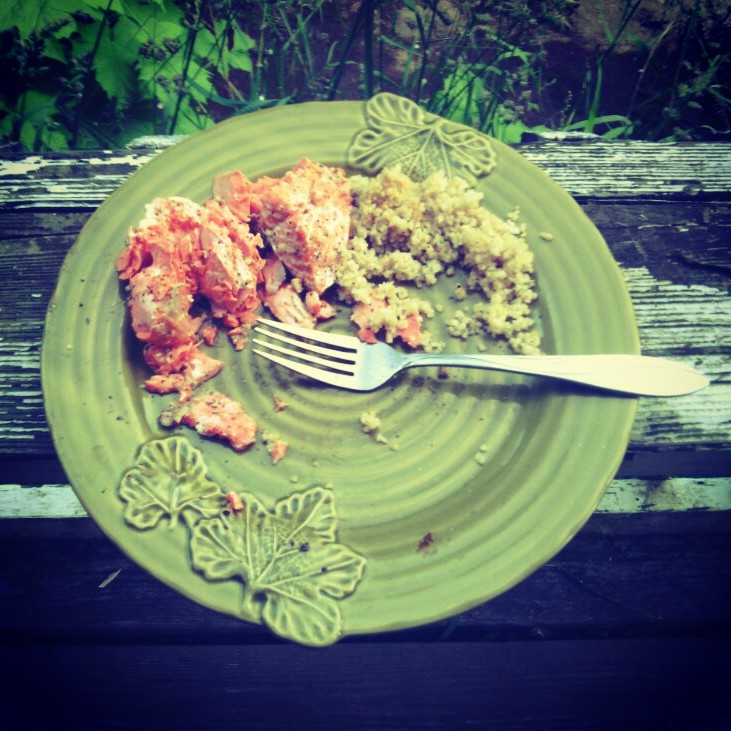
Fresh Salmon Meal

Fresh Salmon Meal

The backbone of the fish said to Honne ‘After we spawn what shall we do?’

Honne replied ‘After you spawn, you will go back to the ocean where you will become fat and bright again. Once every year at a certain time you will go up the river. That is your work to do for the people.’”
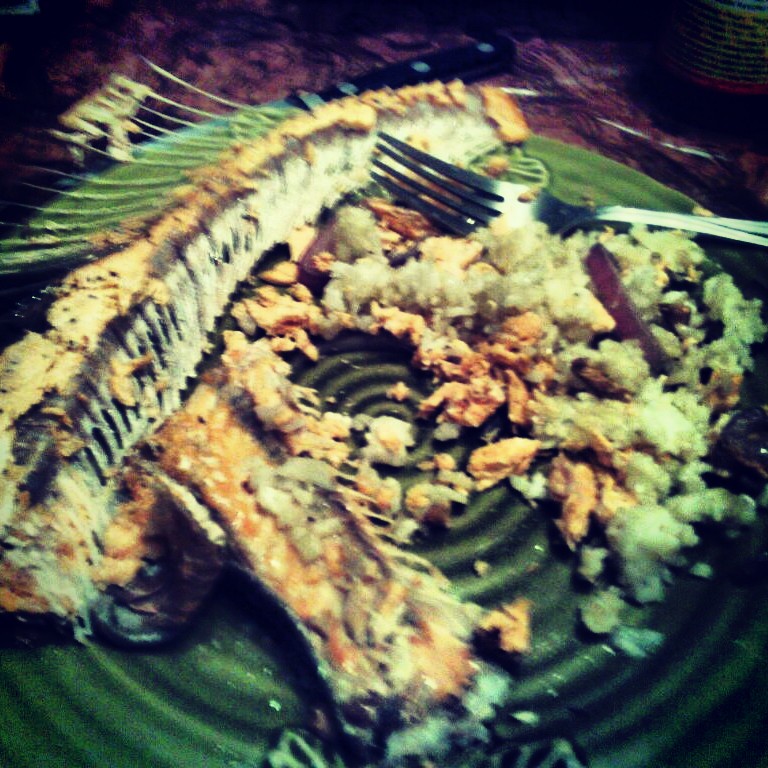
Honne met another fisher with a salmon and after turning him into a crane:

“Honne picked up the salmon which had lain in the gravel. He built a fire from drift wood, fixed the salmon and cooked it. After it was cooked and he had eaten all he wanted, he took the backbone of the fish and said ‘Your name will be Twahtwat, the black salmon.’

From ashes rise.

From ashes rise.

backbone said ‘What time of the year will I come up the river?’

And Honne answered ‘You will come up in the fall. You will not stay long but will work fast while you are here for the other salmon will have come ahead of you. When you finish you will go back to the ocean and then you will be young again.’

Black salmon went in the river and Honne traveled on.”

Soon Honne took a third salmon from another crane:

“Then Honne built another fire and cooked the salmon which he ate and as before he took the backbone and said to it ‘Your name is Skawitz, silverside salmon. This is as far as you will come up the river, and you will work in the creeks and never in the river. When you are thru you will go back again to the ocean and become young again.’ Skawitz said ‘How will I work?’

Riffles of the Chehlis River.

Riffles of the Chehlis River.

Honne said ‘You will lay eggs and cover them on the gravel.’

The fish asked ‘Will any place do?’

Honne answered ‘No, you must put them on a riffle because there are many other fish who will eat them.’

Silverside said ‘But won’t the other fish eat them on the riffle?’ ‘No.’ Honne said, ‘because the other fish do not work on the riffles. They work up and down the river but they do not stay on the riffles.’

‘Won’t the eggs float downstream?’ asked the fish. ‘No.’ said Honne, ‘because grandmother* will take care of the eggs.’ (*Grandmother is a small creature who is supposed to hold the eggs between the rocks.)

Elk Creek.

Elk Creek.

Silverside could not understand how it was done so Honne got down on the gravel and dove under the water on the riffle. He kicked the gravel with his feet; each time that he kicked he dropped two or three eggs off his hands and as he laid the eggs he sang,

“Under the gravel,
Under the sand,
You lay, and
Grandmother will take care of you.’

The eggs went under the gravel and lay there. They were to lie there so many days before they would become fish. And Honne told the eggs that they must not leave the fish until they were able to swim. He told them that when the fish grew up they must come each year to the same place. After they were hatched they must go up the creeks and stay one year. In the spring of the year they must go to the ocean but each year they must come back again. Those that go to the creeks for the first year are akalade, mountain trout. They are one year old, and from three to four inches in length. After three years they are large and are then bull trout. The fourth year they are salmon.
Walville Creek

Walville Creek

Silverside said ‘My feet will wear out if I kick the gravel as hard as that.’

Honne answered ‘They will grow so long that you will have to wear them out anyway. And when you go down to the ocean they will grow out again.’ This satisfied Silversides and he started down the river.”
Honne obtained the fourth salmon from yet another crane:

“He went further up the river and cooked the salmon which he carried with him. He ate it and then took the backbone and said to it ‘You will be Squawahee, steelhead salmon. You will always go further up the river than any of the other salmon, and you will have a longer life than the other fishes.’

The fish asked ‘What time of year will I come up the river?’ Honne told him that he would come up in the fall of the year and stay all winter and that he would spawn in the spring of the year. When the pheasant began to drum then it would be time for the steelhead to spawn.

Honne started down the river. The first creek he came to he fished. In it he caught silverside salmon, but no other kind. He told the little creek that hereafter it must give up the silverside salmon. ‘But,’ said the Creek ‘when the fish come up, will they come only here? If they do I will call for rain and it will raise the waters so that the salmon can not tell one creek from another.’

To which Honne said ‘I have told them when and where they are to hatch and that is the way they must do it.’

Honne went on to another creek and fished. There he caught silversides, blacksalmon, steelhead and chinook. He was satisfied and went on to another creek. In that he did not catch anything. He went to the head of the creek and asked it why it did not give him any of the fish. The creek answered that it did not like to give up the fish because they would be killed and eaten.

Honne said he would give the creek another chance so he took a dip net and fished. After some time he caught a silverside, and he said ‘That is all that will ever be in this creek.’ So he continued on. He came to a slough near the river at Choshed* meaning the star that fell (*Grand Mound) He sat down by the slough and gazed for a long time in the clear water.

Cut Throat Trout.

Cut Throat Trout.

After awhile he noticed a fish swimming in the water. He could not see what it was and tried to get closer but could not make it out. He then said to it ‘Come up I want to see you.’ The fish came up to Honne.

Honne said ‘Oh yes I know you now. I had forgotten. You will be the chief of the fish. Your name is Klahwhi, dog salmon. This is as far as you will go up the river. You will come up the river quickly and go back quickly. Your life will be short.’ And Honne gave the fish a striped blanket, which was made of cedar bark and dyed with alder. That is the coat of colors which the fish still wears.”

How The Sun Was Stolen: A Chehalis Legend

Once upon a time, there lived a chief who kept the sun in a box. When his daughter went to gather berries, she carried the box along and opened it a little so that she was able to see. When she had filled her basket, she carried the box home to her father.

Blackberry harvest from our land.

Blackberry harvest from our land.

The people in other countries were very poor. They held a council in which they deliberated how they might obtain the sun. Finally they decided to send Kali-qoo to the chief to steal the sun.

Art by: http://ravenari.deviantart.com

Art by: http://ravenari.deviantart.com

When he reached the country, he assumed the shape of an old slave. The people found him and took him home to their chief. Blue Jay lived in the house of the latter. He said “Oh, that used to be my father’s slave. He lost him one day. His grandfather had been my father’s slave.” The people believed him and gave him to Blue Jay.

When the chief’s daughter went picking berries; they took him along to paddle the canoe. He was a very good oarsman, and Blue Jay said, “That is Tsi sti saatq, he was a very good oarsman.” And they believed him. When they were traveling along, the slave began to say “Tses, tses, tses.” The Blue Jay said to his brother Robin, “He always spoke so when he carried me about when I was a little boy.” But the Robin did not remember. And Blue Jay said, “Oh, you are good for nothing,. You are older than I am and you do not remember him.”

©2013 H a v e n

©2013 H a v e n

Finally they arrived at the berry patch and the girl opened the box a little. As soon as the sun appeared, the slave jumped up, seized the box and opened it. And it became daylight. He ran away and they were unable to catch him. The people almost killed Blue Jay because his lies had been the cause of their losing the sun.

Kali-qoo took the sun home to his chief, who gave it to the people saying, “Henceforth, we will all enjoy the sun and not one man alone shall have it.”

*re-printed from October 2009 Chehalis Tribe newsletter