Recalling Celilo: An Essay by Elizabeth Woody

Recalling Celilo: An Essay by Elizabeth Woody
from the book “Salmon Nation: People, Fish, and Our Common Home.

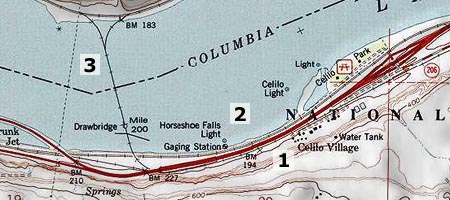
Along the mid-Columbia River ninety miles east of Portland, Oregon, stand Celilo Indian Village and Celilo Park. Beside the eastbound lanes of Interstate celilo0384 are a peaked-roof longhouse and a large metal building. The houses in the village are older, and easy to overlook. You can sometimes see nets and boats beside the homes, though some houses are empty. By comparison, the park is frequently filled with lively and colorful wind surfers. Submerged beneath the shimmering surface of the river lies Celilo Falls, or Wyam.
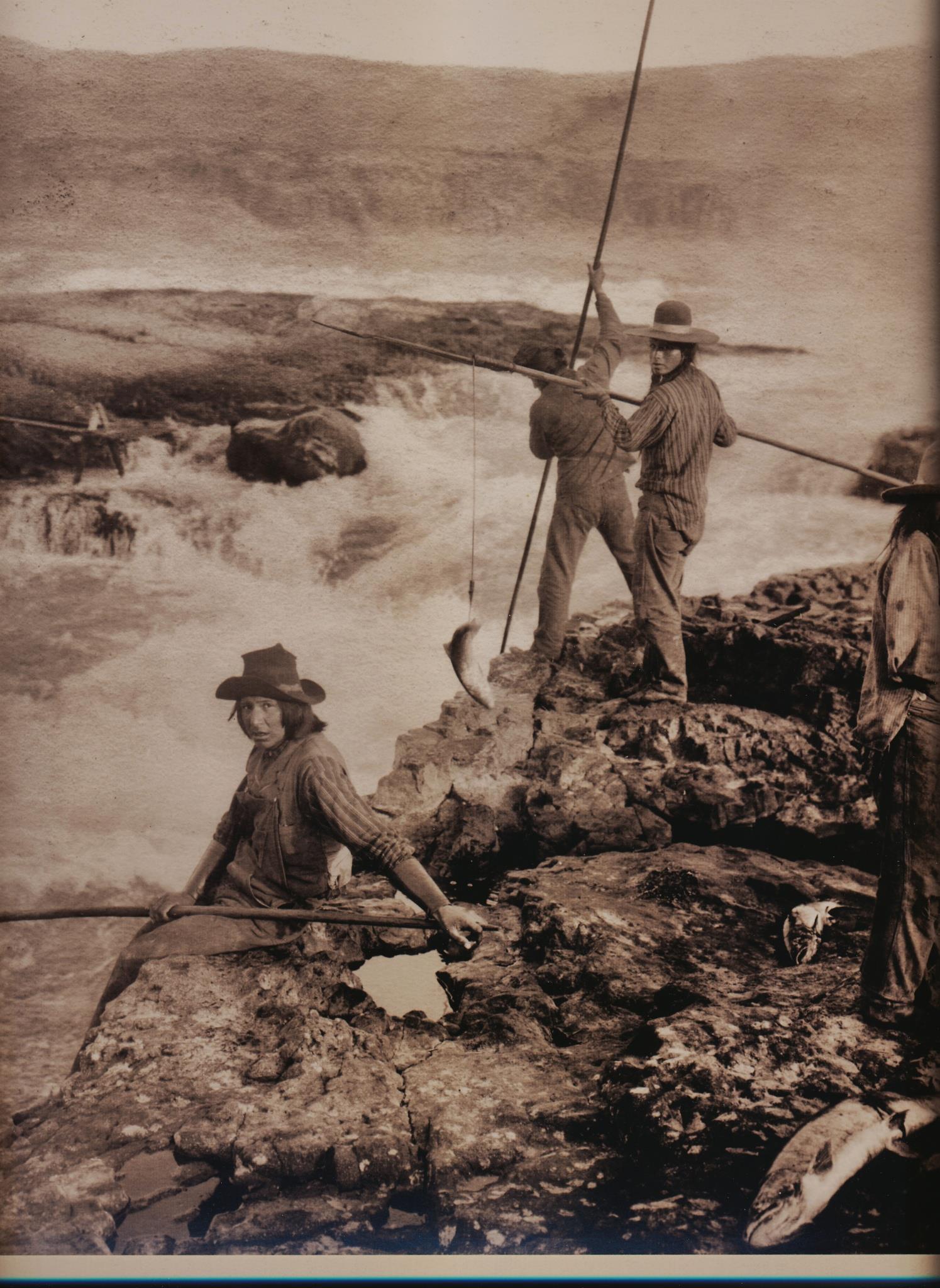
Wyam means “Echo of Falling Water” or “Sound of Water upon the Rocks.” Located on the fourth-largest North American waterway, it was one of the most significant fisheries of the Columbia River system. In recent decades the greatest irreversible change occurred in the middle Columbia as the Celilo site was inundated by The Dalles Dam on March 10, 1957. The tribal people who gathered there did not believe it possible.

Unknown fishermen, unknown year, unknown photographer.. any information would be appreciated.

Unknown fishermen, unknown year, unknown photographer.. any information would be appreciated.

Historically, the Wyampum lived at Wyam for over twelve thousand years. Estimates vary, but Wyam is among the longest continuously inhabited communities in North America. The elders tell us we have been here from time immemorial.

Today we know Celilo Falls as more than a lost landmark. It was a place as revered as one’s own mother. The story of Wyam’s life is the story of the salmon, and of my own ancestry. I live with the forty-two year absence and silence of Celilo Falls, much as an orphan lives hearing of the kindness and greatness of his or her mother.

The original locations of my ancestral villages on the N’ch-iwana (Columbia River) are Celilo Village and the Wishram village that nestled below the petroglyph, She-Who-Watches or Tsagaglallal. My grandmother, Elizabeth Thompson Pitt (Mohalla), was a Wyampum descendent and a Tygh woman. My grandfather, Lewis Pitt (Wa Soox Site), was a Wasco, Wishram, and Watlala man. But my own connections to Celilo Falls are tenuous at best. I was born two years after Celilo drowned in the backwaters of The Dalles Dam.

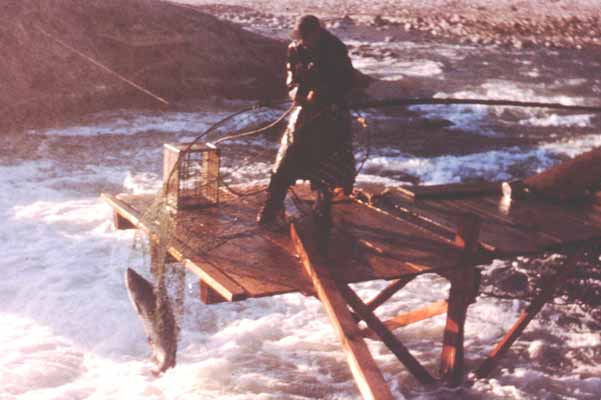
Old unknown photo of a dip-netter.

Old unknown photo of a dip-netter.

My grandfather fished at Celilo with his brother, George Pitt II, at a site that a relative or friend permitted, as is their privilege. They fished on scaffolds above the white water with dip nets. Since fishing locations are inherited, they probably did not have a spot of their own. They were Wascopum, not Wyampum.

When the fish ran, people were wealthy. People from all over the country would come to Celilo to watch the “Indians” catch fish. They would purchase fish freshly caught. It was one of the most famous tourist sites in North America. And many long-time Oregonians and Washingtonians today differentiate themselves from newcomers by their fond memories of Celilo Falls.

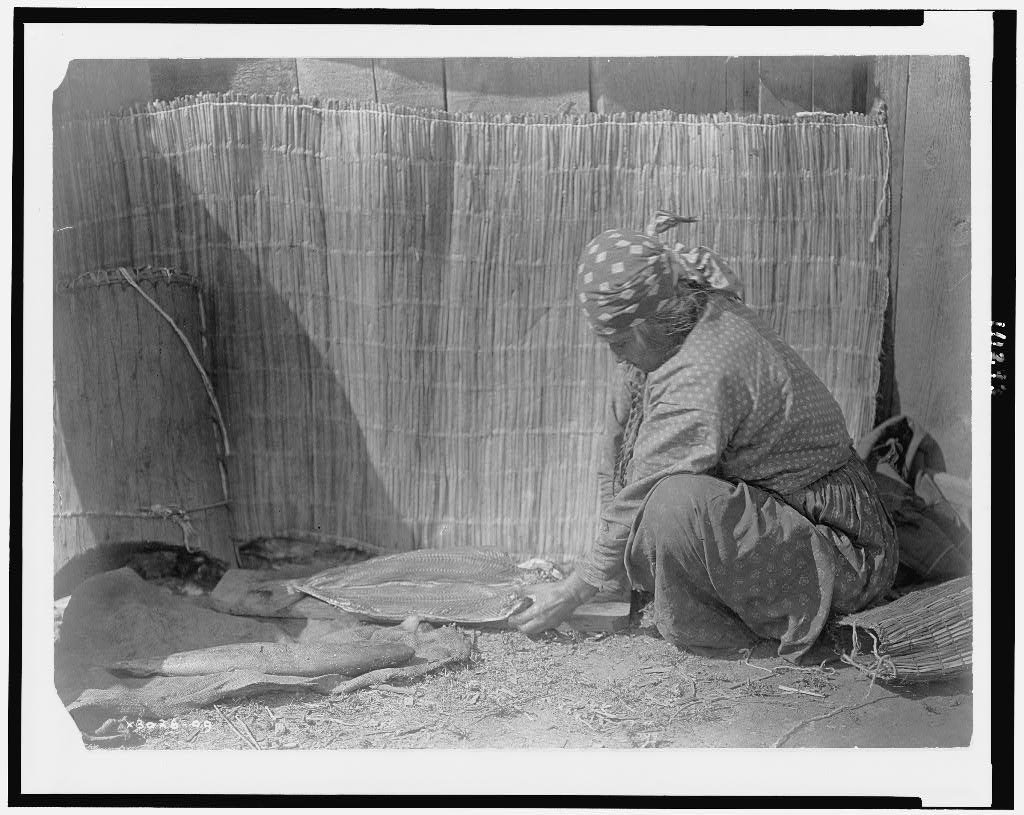
What happened at Wyam was more significant than entertainment. During the day, women cleaned large amounts of finely cut fish and hung the parts to dry in the heat of the arid landscape. So abundant were the fish passing Wyam on their upriver journey that the fish caught there could feed a whole family through the winter. Many families had enough salmon to trade with other tribes or individuals for specialty items.

No one would starve if they could work. Even those incapable of physical work could share other talents. It was a dignified existence. Peaceful, perhaps due in part to the sound of the water that echoed in people’s minds and the negative ions produced by the falls. Research has shown this to generate a feeling of well-being in human beings. It is with a certain sense of irony that I note companies now sell machines to generate such ions in the homes of those who can “afford” this feeling of well-being.

Wishram Grandmother preparing Salmon. Edward S. Curtis photo.

Wishram Grandmother preparing Salmon. Edward S. Curtis photo.

An elder woman explained that if my generation knew the language, we would have no questions. We would hear these words directly from the teachings and songs. From time immemorial, the Creator’s instruction was direct and clear. Feasts and worship held to honor the first roots and berries are major events. The head and tail of the first salmon caught at Celilo is returned to N’ch-iwana. The whole community honored that catch: One of our relatives has returned, and we consider the lives we take to care for our communities.

The songs in the “ceremonial response to the Creator” are repeated seven times by seven drummers, a bell ringer, and people gathered in the Longhouse. Washat song is an ancient method of worship. By wearing the finest Indian dress, the dancers show respect to the Creator.

Men on the south side, women on the north, the dancers begin to move. In a pattern of a complete circle they dance sideways, counterclockwise. This ceremony symbolizes the partnership of men and women, the essential equality and balance within the four directions and the cosmos. We each have our place and our role. As a result, the Longhouse is a special place to learn.

PEO001-00013Meanwhile, in the kitchen, women prepare the meal. Salmon, venison, edible roots, and the various berries — huckleberries and chokecherries — are the four sacred foods. More common foods are added to these significant four on portable tables. Those who gather the roots and berries are distinguished. Their selection to gather the foods is recognition of good hearts and minds. Tribal men who have hunted and fished are likewise acknowledged. One does not gather food without proper training, so as not to disrupt natural systems.
What has happened to Celilo Falls illustrates a story of inadequacy and ignorance of this land. The story begins, of course, long before the submergence of the falls with the seed of ambitions to make an Eden where Eden was not needed. One needs to learn from the land how to live upon it.

The mainstem N’ch-iwana is today broken up by nineteen hydroelectric dams, many planned and built without a thought for the fish. Nuclear, agricultural, and industrial pollution, the evaporation of water from the reservoirs impounded behind dams, the clearcut mountainsides – all are detrimental to salmon. Since 1855, the N’ch-iwana’s fourteen million wild salmon have dwindled to fewer than one hundred thousand.

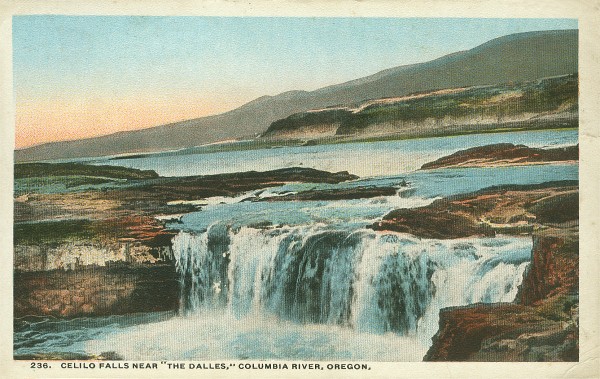
PC_celilo_falls_near_the_dalles_ca1917

Old Postcard of Celilo.

Traditional awareness counsels in a simple, direct way to take only what we need, and let the rest grow. How can one learn? My uncle reminded me that we learned about simplicity first. He said, “The stories your grandmother told. Remember when she said her great grandmother, Kah-Nee-Ta, would tell her to go to the river and catch some fish for the day? Your grandmother would catch several fish, because she loved to look at them. She would let all but two go. Her grandmother taught her that.”

A larger sorrow shadows my maternal grandmother’s story of the childhood loss of the material and intangible. What if the wild salmon no longer return? I cannot say whether we have the strength necessary to bear this impending loss.

The salmon, the tree, and even Celilo Falls (Wyam) echo within if we become still and listen. Once you have heard, take only what you need and let the rest go.

Elizabeth Woody (Navaho/Warm Springs/Wasco/Yakama) received the American Book Award for her collection of poetry “Hand into Stone.” She is the Director of the Indigenous Leadership program for Ecotrust. This essay is adapted from Salmon Nation: People, Fish, and Our Common Home.

Deadman’s Island: A Chinook Legend

Chinook – Deadman’s Island

It is dusk on the Lost Lagoon,
And we two dreaming the dusk away,
Beneath the drift of a twilight gray-Beneath the drowse of an ending day
And the curve of a golden moon.
It is dark in the Lost Lagoon,
And gone are the depths of haunting blue,
The grouping gulls, and the old canoe,
The singing firs, and the dusk and — you,
And gone is the golden moon.

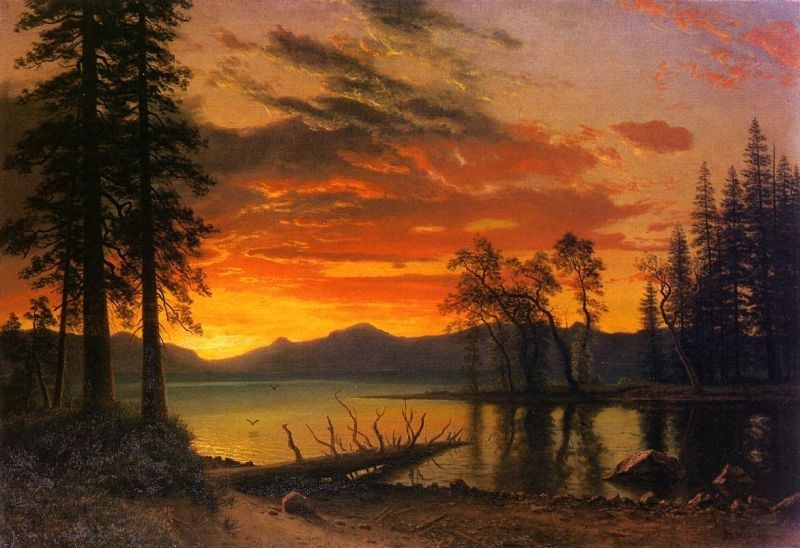
Art by Albert Bierstadt.

Art by Albert Bierstadt.

O! lure of the Lost Lagoon-I dream tonight that my paddle blurs The purple shade where the seaweed stirs-I hear the call of the singing firs In the hush of the golden moon.

FOR many minutes we stood silently, leaning on the western rail of the bridge as we watched the sun set across that beautiful little basin of water known as Coal Harbor. I have always resented that jarring, unattractive name, for years ago, when I first plied paddle across the gunwale of a light little canoe that idled above its margin, I named the sheltered little cove the Lost Lagoon. This was just to please my own fancy, for as that perfect summer month drifted on, the ever-restless tides left the harbor devoid of water at my favorite canoeing hour, and my pet idling place was lost for many days-hence my fancy to call it the Lost Lagoon. But the chief, Indian-like, immediately adopted the name, at least when he spoke of the place to me, and as we watched the sun slip behind the rim of firs, he expressed the wish that his dugout were here instead of lying beached at the farther side of the park.

“If canoe was here, you and I we paddle close to shores all ’round your Lost Lagoon: we make track just like half moon. Then we paddle under this bridge, and go channel between Deadman’s Island and park. Then ’round where cannon speak time at nine o’clock. Then ‘cross Inlet to Indian side of Narrows.”

Unknown photo from 1909.

Unknown photo from 1909.

I turned to look eastward, following in fancy the course he had sketched; the waters were still as the footstep of the oncoming twilight, and, floating in a pool of soft purple, Deadman’s Island rested like a large circle of candle moss. “Have you ever been on it?” he asked as he caught my gaze centering on the irregular outline of the island pines.

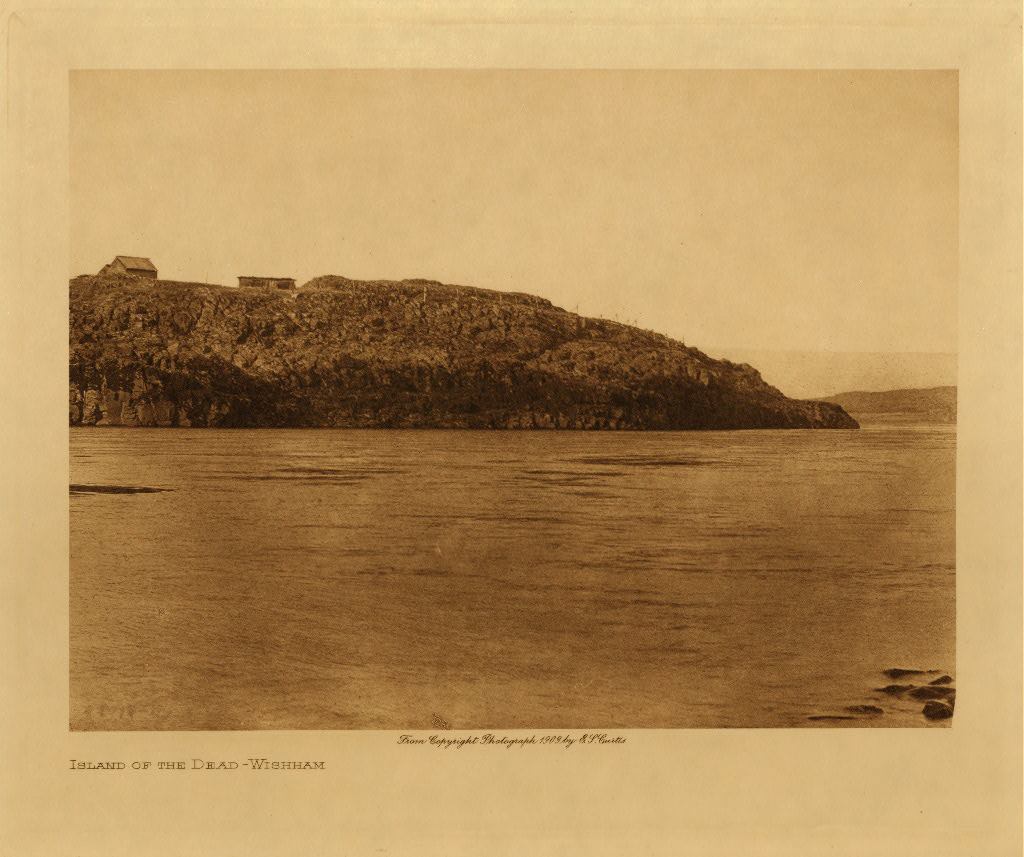
Island of the Dead (Wishram) Edward S. Curtis photo.

Island of the Dead (Wishram) Edward S. Curtis photo.

“I have prowled the length and depth of it,” I told him. “Climbed over every rock on its shores, crept under every tangled growth of its interior, explored its overgrown trails, and more than once nearly got lost in its very heart.” “Yes,” he half laughed, “it pretty wild; not much good for anything.” “People seem to think it valuable,” I said. “There is a lot of litigation — of fighting going on now about it.”

“Oh! that the way always,” he said as though speaking of a long accepted fact. “Always fight over that place. Hundreds of years ago they fight about it; Indian people; they say hundreds of years to come everybody will still fight — never be settled what that place is, who it belong to, who has right to it. No, never settle. Deadman’s Island always mean fight for someone.”

“So the Indians fought amongst themselves about it?” I remarked, seemingly without guile, although my ears tingled for the legend I knew was coming. “Fought like lynx at close quarters,” he answered. “Fought, killed each other, until the island ran with blood redder than that sunset, and the sea water about it was stained flame color — it was then, my people say, that the scarlet fire-flower was first seen growing along this coast.”

“It is a beautiful color — the fire-flower,” I said.

“It should be fine color, for it was born and grew from the hearts of fine tribes-people-very fine people,” he emphasized.

We crossed to the eastern rail of the bridge, and stood watching the deep shadows that gathered slowly and silently about the island; I have seldom looked upon anything more peaceful.

The chief sighed. “We have no such men now, no fighters like those men, no hearts, no courage like theirs. But I tell you the story; you understand it then. Now all peace; tonight all good Tillicum’s; even dead man’s spirit does not fight now, but long time after it happen those spirits fought.”

“And the legend?” I ventured.

“Oh! yes,” he replied, as if suddenly returning to the present from out a far country in the realm of time. “Indian people, they call it the ‘Legend of the Island of Dead Men.’

“There was war everywhere. Fierce tribes from the northern coast, savage tribes from the south all met here and battled and raided, burned and captured, tortured and killed their enemies. The forests smoked with camp fires, the Narrows were choked with war canoes, and the Sagalie Tyee — He who is a man of peace — turned His face away from His Indian children. About this island there was dispute and contention. The medicine men from the North claimed it as their chanting ground. The medicine men from the South laid equal claim to it. Each wanted it as the stronghold of their witchcraft, their magic. Great bands of these medicine men met on the small space, using every sorcery in their power to drive their opponents away. The witch doctors of the North made their camp on the northern rim of the island; those from the South settled along the southern edge, looking towards what is now the great city of Vancouver. Both factions danced, chanted, burned their magic powders, built their magic fires, beat their magic rattles, but neither would give way, yet neither conquered. About them, on the waters, on the mainland’s, raged the warfare of their respective tribes — the Sagalie Tyee had forgotten His Indian children.

“After many months, the warriors on both sides weakened. They said the incantations of the rival medicine men were bewitching them, were making their hearts like children’s, and their arms nerveless as women’s. So friend and foe arose as one man and drove the medicine men from the island, hounded them down the Inlet, herded them through the Narrows and banished them out to sea, where they took refuge on one of the outer islands of the gulf. Then the tribes once more fell upon each other in battle.

“The warrior blood of the North will always conquer. They are the stronger, bolder, more alert, more keen. The snows and the ice of their country make swifter pulse than the sleepy suns of the South can awake in a man; their muscles are of sterner stuff, their endurance greater. Yes, the northern tribes will always be victors.* But the craft and the strategy of the southern tribes are hard things to battle against. While those of the North followed the medicine men farther out to sea to make sure of their banishment, those from the South returned under cover of night and seized the women and children and the old, enfeebled men in their enemy’s camp, transported them all to the Island of Dead Men, and there held them as captives. Their war canoes circled the island like a fortification, through which drifted the sobs of the imprisoned women, the mutterings of the aged men, the wail of little children.

“Again and again the men of the North assailed that circle of canoes, and again and again were repulsed. The air was thick with poisoned arrows, the water stained with blood. But day by day the circle of southern canoes grew thinner and thinner; the northern arrows were telling and truer of aim. Canoes drifted everywhere, empty, or worse still, manned only by dead men. The pick of the southern warriors had already fallen, when their greatest Tyee mounted a large rock on the eastern shore. Brave and unmindful of a thousand weapons aimed at his heart, he uplifted his hand, palm outward — the signal for conference.

Instantly every northern arrow was lowered, and every northern ear listened for his words.

“‘Oh! men of the upper coast,’ he said, ‘you are more numerous than we are; your tribe is larger; your endurance greater. We are growing hungry, we are growing less in numbers. Our captives — your women and children and old men — have lessened, too, our stores of food. If you refuse our terms we will yet fight to the finish. Tomorrow we will kill all our captives before your eyes, for we can feed them no longer, or you can have your wives, your mothers, your fathers, your children, by giving us for each and every one of them one of your best and bravest young warriors, who will consent to suffer death in their stead. Speak! You have your choice.’

“In the northern canoes scores and scores of young warriors leapt to their feet. The air was filled with glad cries, with exultant shouts. The whole world seemed to ring with the voices of those young men who called loudly, with glorious courage:

“‘Take me, but give me back my old father.’
“‘Take me, but spare to my tribe my little sister.’
“‘Take me, but release my wife and boy baby.’

“So the compact was made. Two hundred heroic, magnificent young men paddled up to the island, broke through the fortifying circle of canoes and stepped ashore. They flaunted their eagle plumes with the spirit and boldness of young gods. Their shoulders were erect, their step was firm, their hearts strong. Into their canoes they crowded the two hundred captives. Once more their women sobbed, their old men muttered, their children wailed, but those young copper-colored gods never flinched, never faltered. Their weak and their feeble were saved. What mattered to them such a little thing as death?

“The released captives were quickly surrounded by their own people, but the flower of their splendid nation was in the hands of their enemies, those valorous young men who thought so little of life that they willingly, gladly laid it down to serve and to save those they loved and cared for. Amongst them were war-tried warriors who had fought fifty battles, and boys not yet full grown, who were drawing a bow string for the first time, but their hearts, their courage, their self-sacrifice were as one.

“Out before a long file of southern warriors they stood. Their chins uplifted, their eyes defiant, their breasts bared. Each leaned forward and laid his weapons at his feet, then stood erect, with empty hands, and laughed forth their challenge to death. A thousand arrows ripped the air, two hundred gallant northern throats flung forth a death cry exultant, triumphant as conquering kings — then two hundred fearless northern hearts ceased to beat.

“But in the morning the southern tribes found the spot where they fell peopled with flaming fire-flowers. Dread terror seized upon them. They abandoned the island, and when night again shrouded them they manned their canoes and noiselessly slipped through the Narrows, turned their bows southward and this coast line knew them no more.”

“What glorious men,” I half whispered as the chief concluded the strange legend.

“Yes, men!” he echoed. “The white people call it Deadman’s Island. That is their way; but we of the Squamish call it The Island of Dead Men.”

The clustering pines and the outlines of the island’s margin were now dusky and indistinct. Peace, peace lay over the waters, and the purple of the summer twilight had turned to gray, but I knew that in the depths of the undergrowth on Deadman’s Island there blossomed a flower of flaming beauty; its colors were veiled in the coming nightfall, but somewhere down in the sanctuary of its petals pulsed the heart’s blood of many and valiant men.

Chinook Texts by Franz Boas. [1894] (U.S. Bureau of American Ethnology Bulletin, no 20.)

How Coyote Helped The People- Columbia Basin Tribes

This is a composite of many tales related by many tribes that once lived along the Columbia River and its tributaries. For the sake of this story, the many traditions have been weaved together. No one tribe told about all these deeds of Coyote.

Artist unknown

Artist unknown

The part about Lake Chelan and the waterfall was told by Billy Curlew, at that time he was the present titular chief of the Moses-Columbia band of Indians, to the Forest Supervisor at the agency at Nespelem, with lack Jack Weipe as interpreter.

After Old-One had made the earth and the ancient animal people, he sent Coyote among them, because they were very ignorant and were having a hard time. Coyote was told to kill the evil beings who preyed upon them and to teach them the best way of doing things.

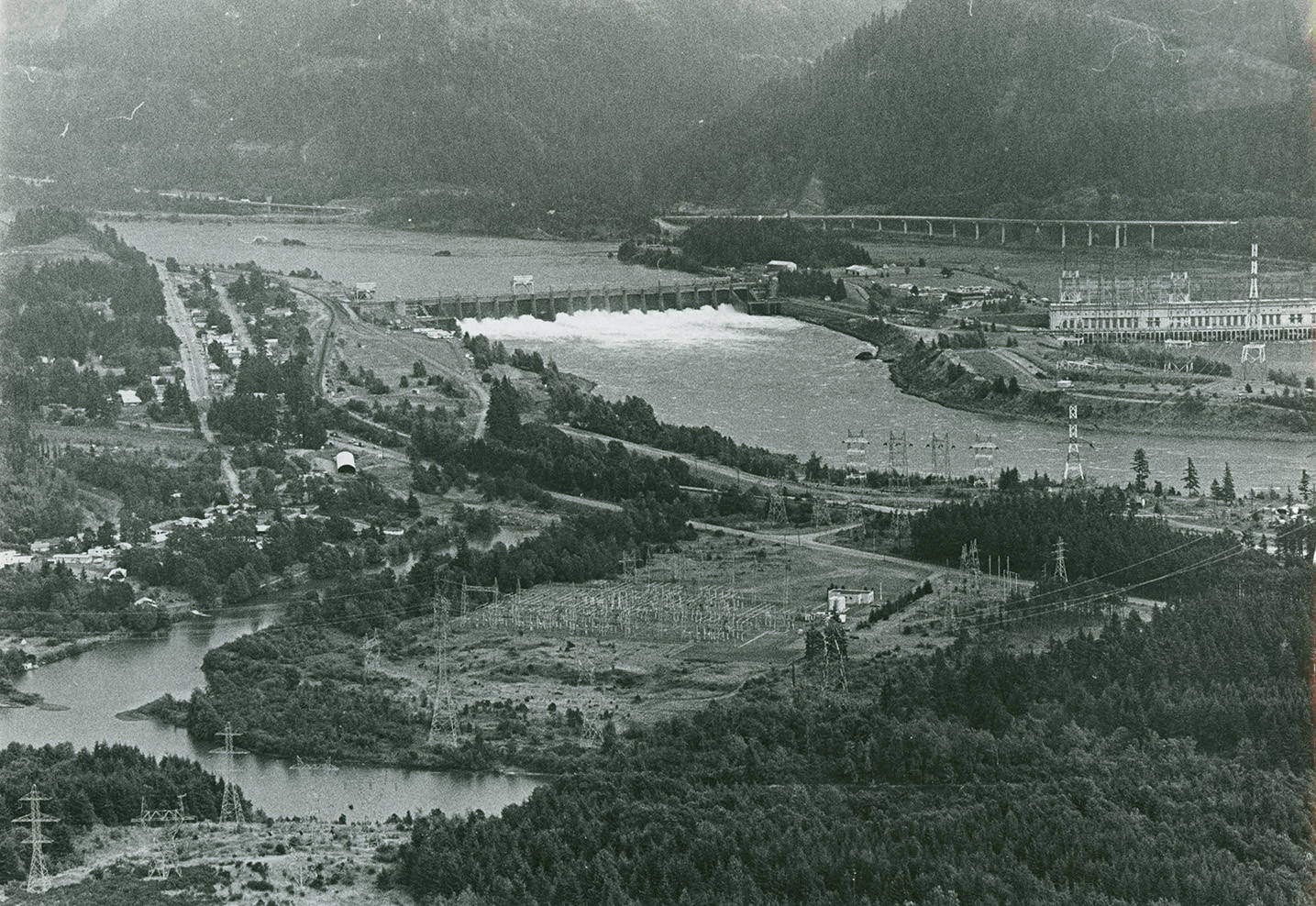
Bonneville Dam

Bonneville Dam

First he broke down the dam which five Beaver women bad built in the lower Columbia.”It is not right,” he said to them, “for you to keep the salmon penned up here. The people farther up the river are hungry.”

Then he changed the Beaver women into sandpipers. “You shall forevermore be sandpipers,” he said. “You shall always run by the water’s edge. You shall never again have control over salmon.”

By this time so many salmon had come up from the mouth of Big River that the water was dark with them. Coyote walked along the bank of the river, and the salmon followed him in the water. At all the villages, the animal people were glad to see him and the fish he brought. Their hunger was over.

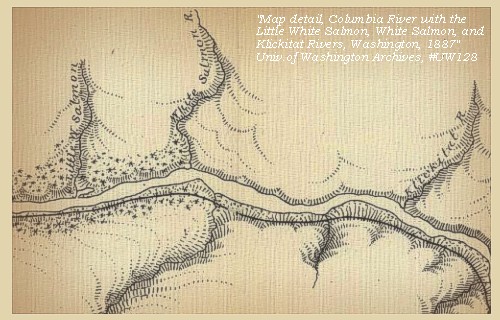
map of  white salmon area 1887

map of white salmon area 1887

When he came to the Little White Salmon River, he stopped and taught the people how to make a fish trap. He twisted young twigs of hazel brush and hung the trap in the river. Then he showed the people how to dry fish and how to store it for winter use.When he came to the bigger White Salmon River, he showed the people how to spear salmon. He made a spear from the inside bark of a white fir tree and caught the salmon with the pointed end of the spear.

“This is how you should do it,” said Coyote.

Wishram Grandmother preparing Salmon. Edward S. Curtis photo.

Wishram Grandmother preparing Salmon. Edward S. Curtis photo.

Wherever he stopped, he showed the people how to cook fish. They had always eaten it raw. He showed them how to broil salmon by holding it over the fire on sticks. And he showed them how to cook it in a pothole. Along Big River, to this day, there is a round-bottomed hole in the rocks, a hole that people call Coyote’s Kettle. Coyote put salmon in that hole, poured a little water over it, dropped hot stones into the pothole, and covered everything with green grass to hold the steam. Thus the salmon was steamed until it was tender.”This is how you should do it,” Coyote told the people.

PEO001-00013

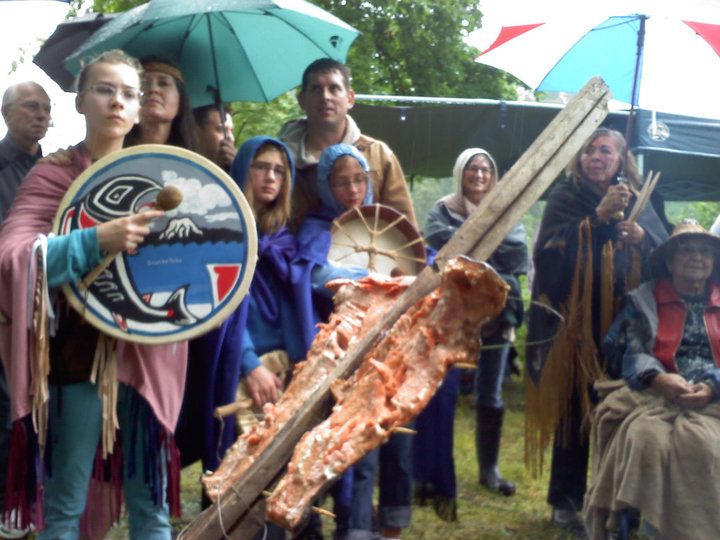
Preparing salmon for the First Salmon Ceremony. Stock image

Then he and the people had a big feast – a feast of salmon cooked in the proper way, the way he explained to them. Coyote said to the animal people along Big River and along all the streams which flow into it, “Every spring the salmon will come up the river to lay their eggs. Every spring you must have a big feast like this to celebrate the coming of the salmon. Then you will thank the salmon spirits for guiding the fish up the streams to you, and your Salmon Chief will pray to those spirits to fill your fish traps. During the five days of the feast, you must not cut the salmon with a knife, and you must cook it only by roasting it over a fire. If you do as I tell you, you will always have plenty of salmon to catch and to dry for winter.”

Yakama River.

Yakama River.

Then Coyote traveled farther up the river, and the salmon followed him. Often he came to a smaller stream flowing into Big River. Because the people along the Yakima and Wenatchee rivers treated him kindly, he sent the fish up their rivers and promised them that every spring the salmon would return. Where he was treated very kindly, he made the river narrow in one spot. He would make the two banks of a river almost meet, so that there would be a good place for catching salmon.When he came to the animal people along the Chelan River, he said to them, “I will send many salmon up your river if you will give me a nice young girl for my wife.”

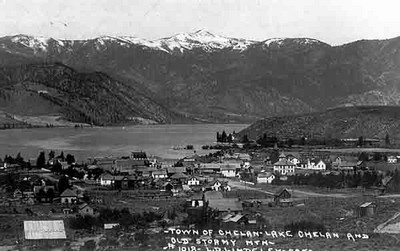
Lake Chelan.

Lake Chelan.

But the Chelan people refused. They thought it was not proper for a young girl to marry anyone as old as Coyote. So Coyote angrily blocked up the canyon of Chelan River with huge rocks and thus made a waterfall. The water dammed up behind the rocks and formed Lake Chelan. The salmon could never get past the waterfall. That is why there are no salmon in Lake Chelan to this day.

Artist rendering of Spokane Falls, 1888 from the book 'The Great Northwest.'

Artist rendering of Spokane Falls, 1888

Coyote made a waterfall in the Okanogan River because the girls there refused to marry him. He made a waterfall in the Spokane River because the chief along the upper river would not let him marry any girl among his people. Coyote said to the chiefs along the Okanogan and the Spokane “I will make falls here. I will make falls so that the salmon cannot get past them, to your people farther up the river.”As Coyote traveled up the rivers, he gave names to the streams and the mountains. He killed monsters that were destroying the animal people. He killed the Ice People and defeated Blizzard, so that the winters would not be so cold.

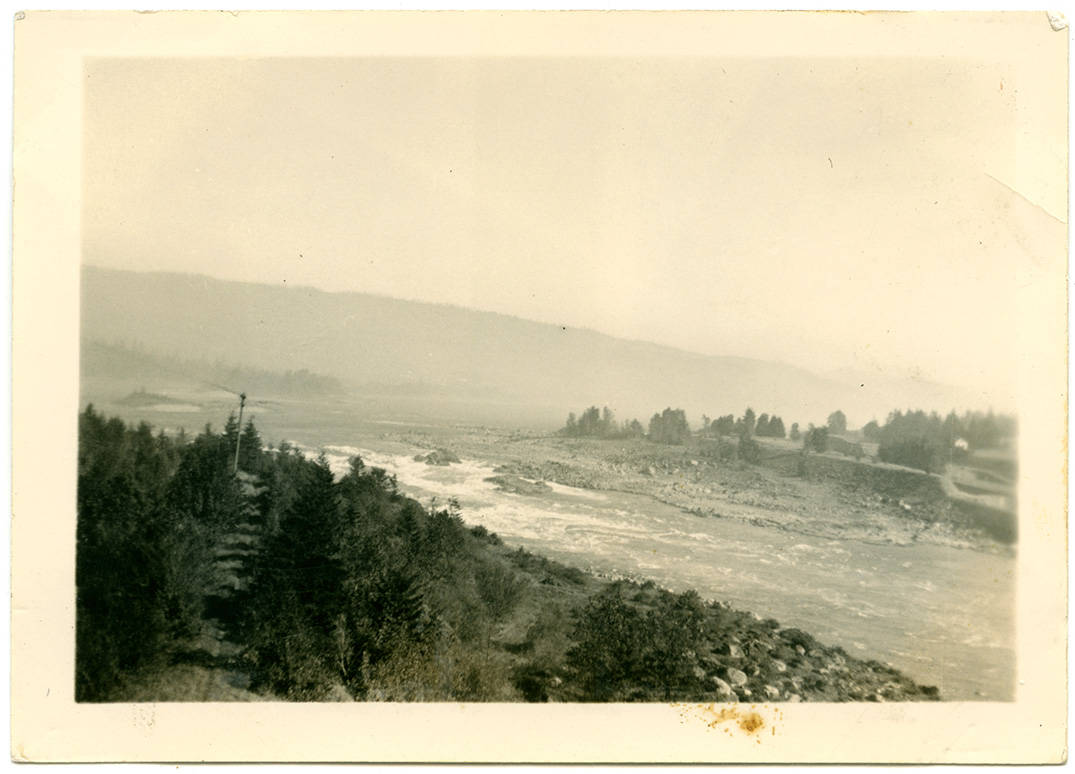
Pre-dammed Cascades. 1912(?) author unknown.

Pre-dammed Cascades. 1912(?) author unknown.

He planted trees, so that when the new people, the Indians, should come, they could burn wood and keep themselves warm. He planted huckleberries in the mountains. “People must climb to get these berries,” he said. “It will not be good for them to get all food easily. They will become lazy.” He planted strawberries and service berry bushes. He planted camas, kouse, and other roots, so that there would be all kinds of food for the new people. After the new people, the Indians, came, he showed them how to make fire by twirling sticks between their hands. He made a long knife to cut with, and an ax to chop with. He peeled bark off a cedar tree and made a cedar-bark canoe. “This is how you should do it,” he said.

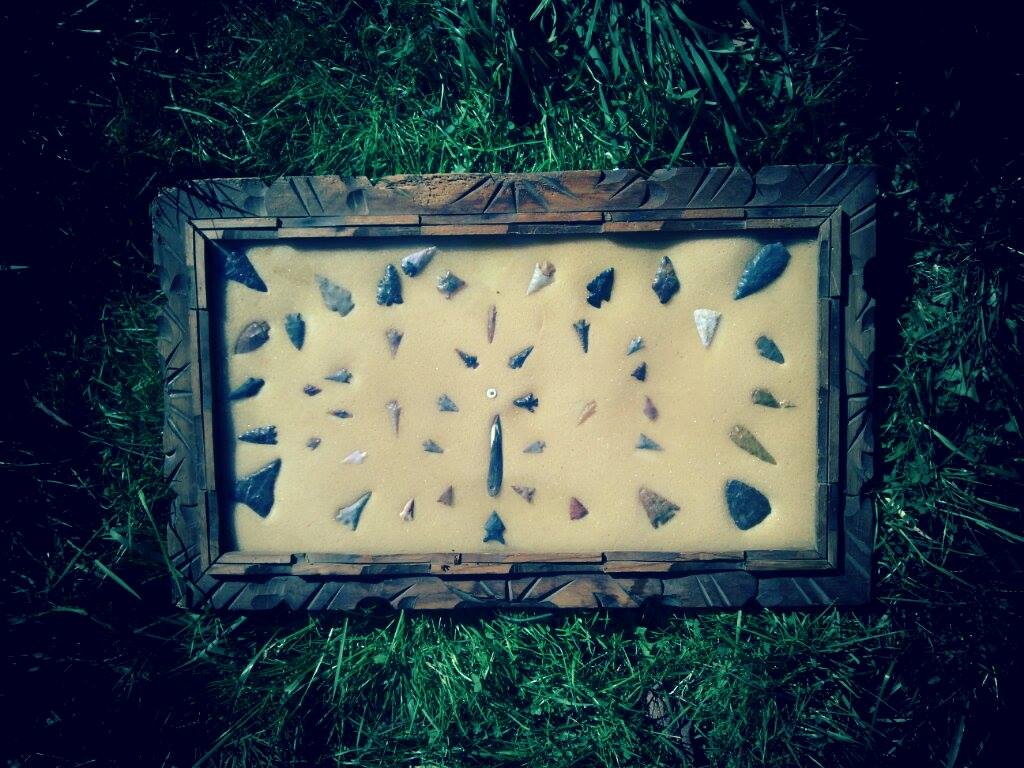
Arrow and spear collection -columbia river basin.

Arrow and spear collection -columbia river basin.

He taught them how to make bows and arrows from young arrowwood, and how to use the weapons. He made dip nets from maple and willow twigs, and showed the Indians how to catch salmon with them. He taught them how to make fishing platforms near the falls of Big River and how to spear salmon from these platforms. He made a basket trap also for catching fish. Coyote taught the Indians that salmon must always be kept clean. “if you do not keep them clean after you have caught them,” Coyote said, “they will be ashamed and not come up the river any more.

Salmon offering plate.

Salmon offering plate.

“And you must never cook any more than you can eat. If you cook three salmon when you are able to eat only half of one, the salmon will be ashamed and will refuse to enter your river.”

Many times he traveled up and down Big River and its branch rivers, teaching the people many useful things. Almost everything the Indians knew, Coyote taught them. He did many good things, but he did many wicked things also.

Indians say that when Coyote had done all the good things he could do, he was given a place in the sky. Other Indians say that he was punished for the bad things he had done.

Hail Coyote! Unknown photographer.

Hail Coyote! Unknown photographer.

He climbed to the sky on a rope. He climbed all one summer and all one winter. Then he fell down for a long, long time. When he struck the ground, he was mashed flat.

Lying there, he heard a voice say, “You shall always be a wanderer and shall forever howl and cry for your sins.”

That is why coyotes howl and cry at night. That is why they wander hungry and friendless over the earth.

*This story taken from the book Indian Legends of the Pacific Northwest, Ella E. Clark, University of California Press, 1953.

Honne Names the Salmon: Chehalis Legend

“LONG TIME AGO in the beginning of the world, Honne came to earth. No one knows where he came from. And as the country was new and strange to him he decided to travel about and see what he could find.”

Chehalis River

Chehalis River

Thus begins the Chehalis Indian legend of Honne, the creator of people and animals, as related in “Honne: The Spirit of the Chehalis”, by Katherine Van Winkle Palmer, W.F. Humphrey Press, Geneva N.Y. 1925. The various species of salmon and trout were extremely important to the Chehalis people, and the legends of the tribe tell fascinating tales of how Honne created these fishes. Honne named the different kinds of salmon and told each the streams they would inhabit and the seasons of their lives. The following is an abbreviated account of the creation of the salmon from the legends of the Chehalis people.

Cowlitz First Salmon Ceremony, Photo Unknown

Cowlitz First Salmon Ceremony, Photo Unknown

When Honne came to earth he found that the people were living like animals, so he decided to exchange the lives of people and animals. As Honne travels the banks of the Chehalis River, he meets several people who have caught a salmon. Honne changes each of these persons into a crane and takes the salmon. After cooking and eating the first salmon Honne said: “‘Now I will name the salmon.’ And he called it Thowsh or Thatssocub. He threw the salmon backbone in the river and told it to go up the river. Honne said to it ‘You will be food for the people. You will go up the river to the riffles and spawn and raise a thousand fish.’

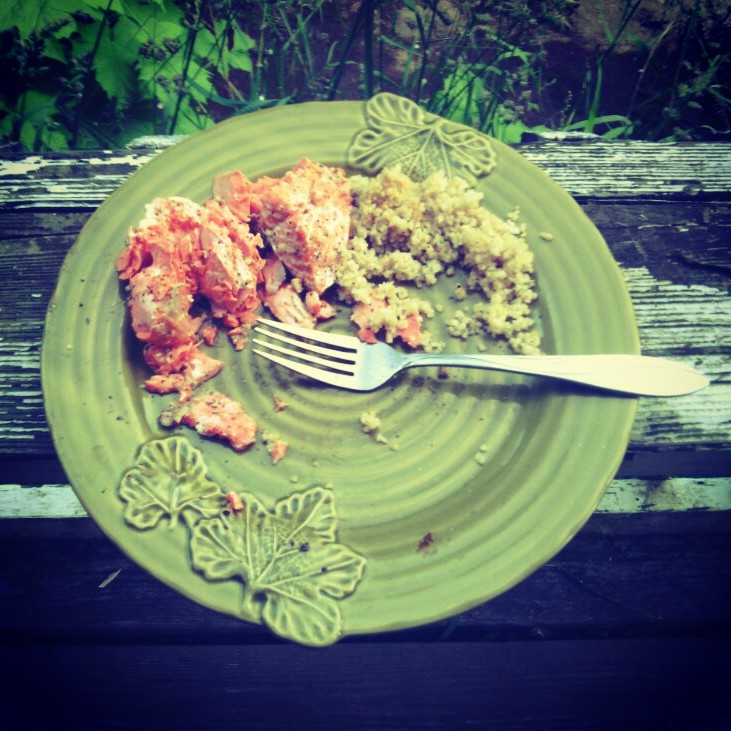
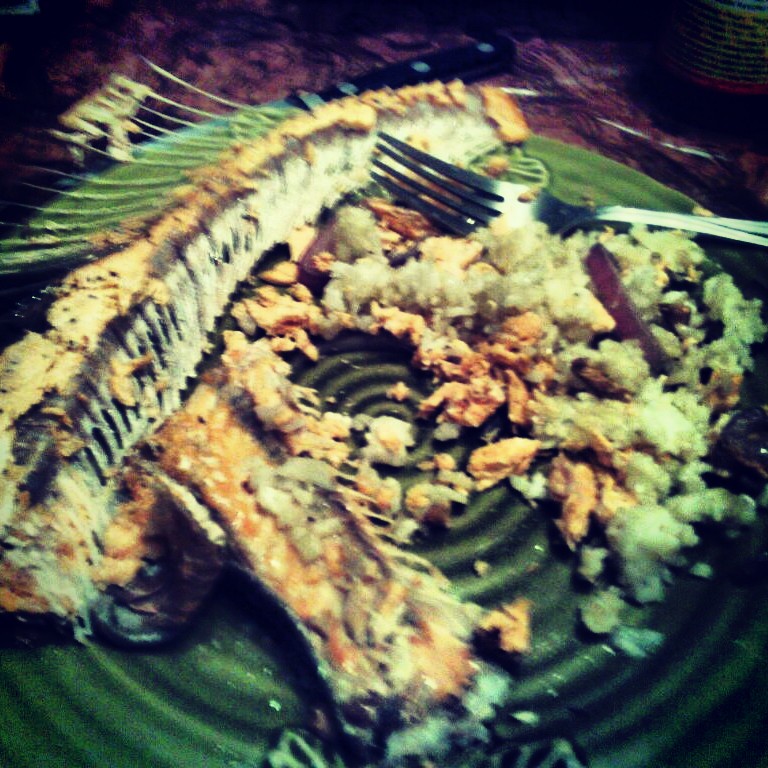
Fresh Salmon Meal

Fresh Salmon Meal

The backbone of the fish said to Honne ‘After we spawn what shall we do?’

Honne replied ‘After you spawn, you will go back to the ocean where you will become fat and bright again. Once every year at a certain time you will go up the river. That is your work to do for the people.’”

Honne met another fisher with a salmon and after turning him into a crane:

“Honne picked up the salmon which had lain in the gravel. He built a fire from drift wood, fixed the salmon and cooked it. After it was cooked and he had eaten all he wanted, he took the backbone of the fish and said ‘Your name will be Twahtwat, the black salmon.’

From ashes rise.

From ashes rise.

backbone said ‘What time of the year will I come up the river?’

And Honne answered ‘You will come up in the fall. You will not stay long but will work fast while you are here for the other salmon will have come ahead of you. When you finish you will go back to the ocean and then you will be young again.’

Black salmon went in the river and Honne traveled on.”

Soon Honne took a third salmon from another crane:

“Then Honne built another fire and cooked the salmon which he ate and as before he took the backbone and said to it ‘Your name is Skawitz, silverside salmon. This is as far as you will come up the river, and you will work in the creeks and never in the river. When you are thru you will go back again to the ocean and become young again.’ Skawitz said ‘How will I work?’

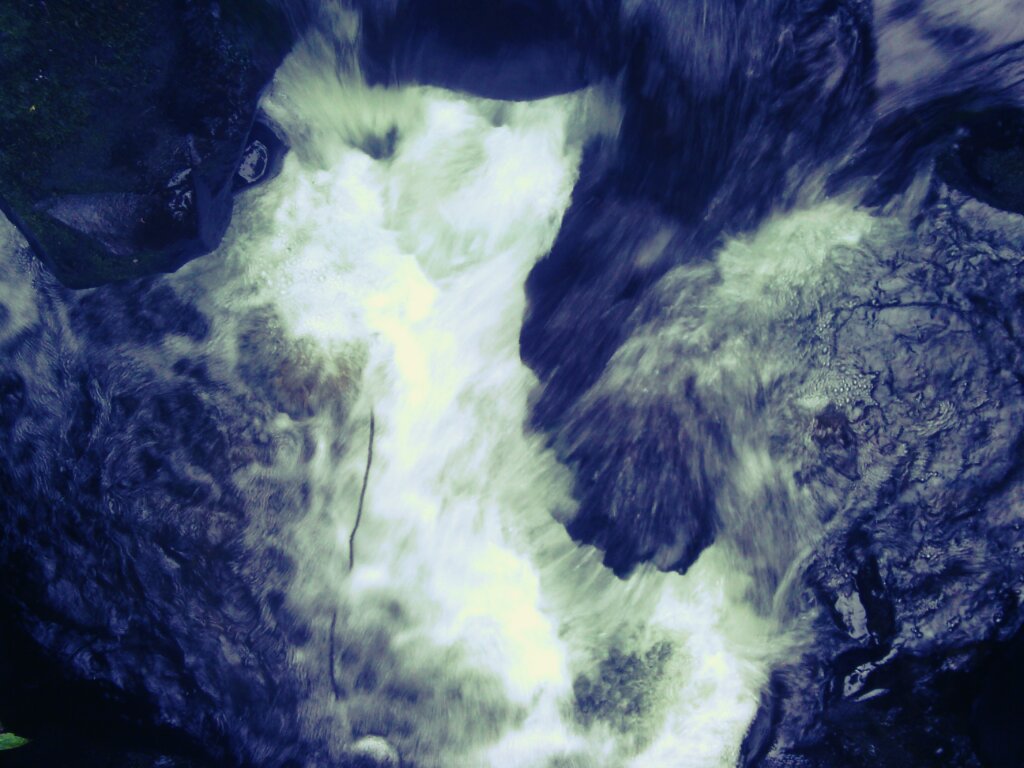
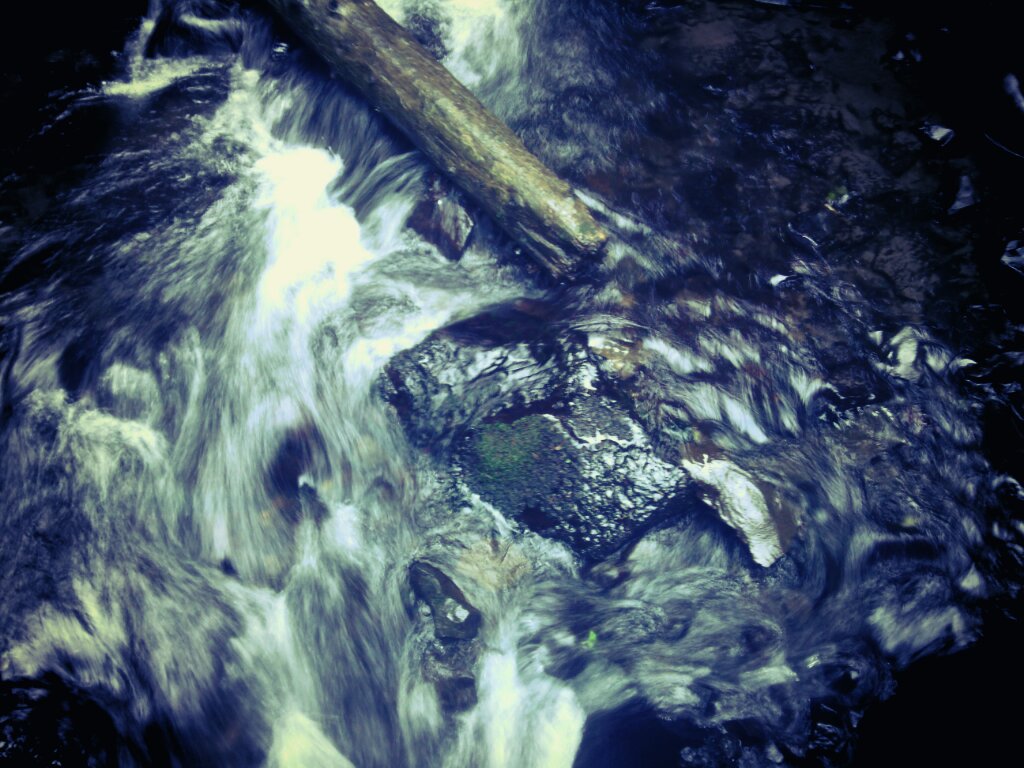
Riffles of the Chehlis River.

Riffles of the Chehlis River.

Honne said ‘You will lay eggs and cover them on the gravel.’

The fish asked ‘Will any place do?’

Honne answered ‘No, you must put them on a riffle because there are many other fish who will eat them.’

Silverside said ‘But won’t the other fish eat them on the riffle?’ ‘No.’ Honne said, ‘because the other fish do not work on the riffles. They work up and down the river but they do not stay on the riffles.’

‘Won’t the eggs float downstream?’ asked the fish. ‘No.’ said Honne, ‘because grandmother* will take care of the eggs.’ (*Grandmother is a small creature who is supposed to hold the eggs between the rocks.)

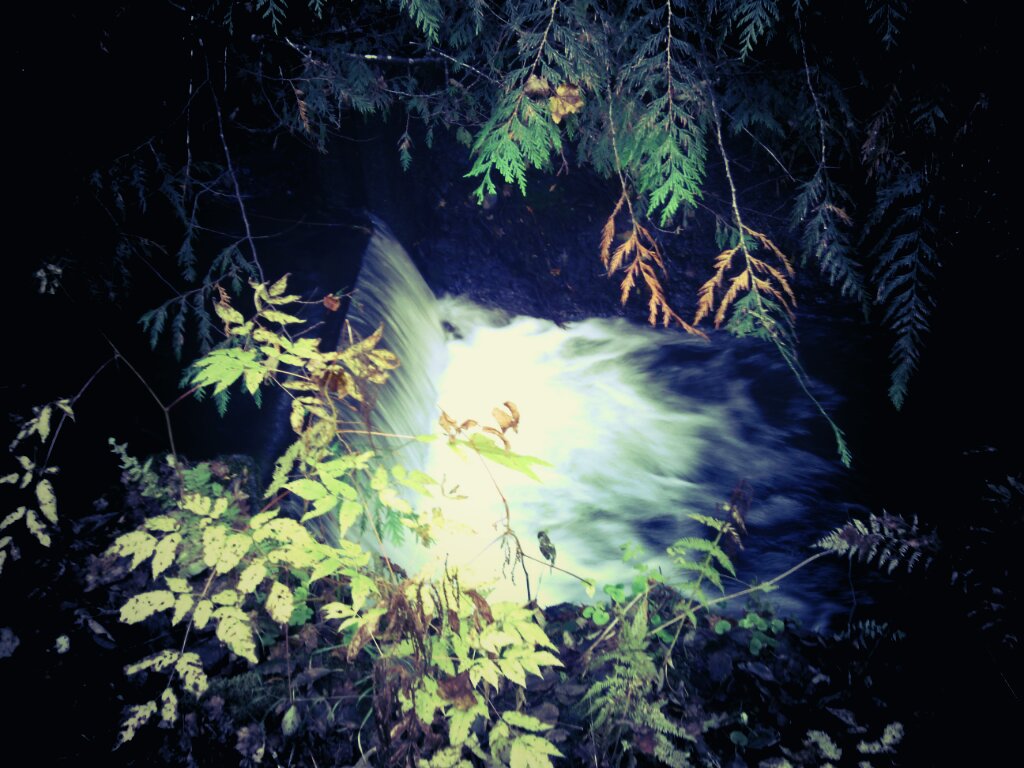
Elk Creek.

Elk Creek.

Silverside could not understand how it was done so Honne got down on the gravel and dove under the water on the riffle. He kicked the gravel with his feet; each time that he kicked he dropped two or three eggs off his hands and as he laid the eggs he sang,

“Under the gravel,
Under the sand,
You lay, and
Grandmother will take care of you.’

The eggs went under the gravel and lay there. They were to lie there so many days before they would become fish. And Honne told the eggs that they must not leave the fish until they were able to swim. He told them that when the fish grew up they must come each year to the same place. After they were hatched they must go up the creeks and stay one year. In the spring of the year they must go to the ocean but each year they must come back again. Those that go to the creeks for the first year are akalade, mountain trout. They are one year old, and from three to four inches in length. After three years they are large and are then bull trout. The fourth year they are salmon.

Walville Creek

Walville Creek

Silverside said ‘My feet will wear out if I kick the gravel as hard as that.’

Honne answered ‘They will grow so long that you will have to wear them out anyway. And when you go down to the ocean they will grow out again.’ This satisfied Silversides and he started down the river.”

Honne obtained the fourth salmon from yet another crane:

“He went further up the river and cooked the salmon which he carried with him. He ate it and then took the backbone and said to it ‘You will be Squawahee, steelhead salmon. You will always go further up the river than any of the other salmon, and you will have a longer life than the other fishes.’

The fish asked ‘What time of year will I come up the river?’ Honne told him that he would come up in the fall of the year and stay all winter and that he would spawn in the spring of the year. When the pheasant began to drum then it would be time for the steelhead to spawn.

Honne started down the river. The first creek he came to he fished. In it he caught silverside salmon, but no other kind. He told the little creek that hereafter it must give up the silverside salmon. ‘But,’ said the Creek ‘when the fish come up, will they come only here? If they do I will call for rain and it will raise the waters so that the salmon can not tell one creek from another.’

To which Honne said ‘I have told them when and where they are to hatch and that is the way they must do it.’

Honne went on to another creek and fished. There he caught silversides, blacksalmon, steelhead and chinook. He was satisfied and went on to another creek. In that he did not catch anything. He went to the head of the creek and asked it why it did not give him any of the fish. The creek answered that it did not like to give up the fish because they would be killed and eaten.

Honne said he would give the creek another chance so he took a dip net and fished. After some time he caught a silverside, and he said ‘That is all that will ever be in this creek.’ So he continued on. He came to a slough near the river at Choshed* meaning the star that fell (*Grand Mound) He sat down by the slough and gazed for a long time in the clear water.

Cut Throat Trout.

Cut Throat Trout.

After awhile he noticed a fish swimming in the water. He could not see what it was and tried to get closer but could not make it out. He then said to it ‘Come up I want to see you.’ The fish came up to Honne.

Honne said ‘Oh yes I know you now. I had forgotten. You will be the chief of the fish. Your name is Klahwhi, dog salmon. This is as far as you will go up the river. You will come up the river quickly and go back quickly. Your life will be short.’ And Honne gave the fish a striped blanket, which was made of cedar bark and dyed with alder. That is the coat of colors which the fish still wears.”

How The Sun Was Stolen: A Chehalis Legend

Once upon a time, there lived a chief who kept the sun in a box. When his daughter went to gather berries, she carried the box along and opened it a little so that she was able to see. When she had filled her basket, she carried the box home to her father.

Blackberry harvest from our land.

Blackberry harvest from our land.

The people in other countries were very poor. They held a council in which they deliberated how they might obtain the sun. Finally they decided to send Kali-qoo to the chief to steal the sun.

Art by: http://ravenari.deviantart.com

Art by: http://ravenari.deviantart.com

When he reached the country, he assumed the shape of an old slave. The people found him and took him home to their chief. Blue Jay lived in the house of the latter. He said “Oh, that used to be my father’s slave. He lost him one day. His grandfather had been my father’s slave.” The people believed him and gave him to Blue Jay.

When the chief’s daughter went picking berries; they took him along to paddle the canoe. He was a very good oarsman, and Blue Jay said, “That is Tsi sti saatq, he was a very good oarsman.” And they believed him. When they were traveling along, the slave began to say “Tses, tses, tses.” The Blue Jay said to his brother Robin, “He always spoke so when he carried me about when I was a little boy.” But the Robin did not remember. And Blue Jay said, “Oh, you are good for nothing,. You are older than I am and you do not remember him.”

©2013 H a v e n

©2013 H a v e n

Finally they arrived at the berry patch and the girl opened the box a little. As soon as the sun appeared, the slave jumped up, seized the box and opened it. And it became daylight. He ran away and they were unable to catch him. The people almost killed Blue Jay because his lies had been the cause of their losing the sun.

Kali-qoo took the sun home to his chief, who gave it to the people saying, “Henceforth, we will all enjoy the sun and not one man alone shall have it.”

*re-printed from October 2009 Chehalis Tribe newsletter

The Story of the Flood: A Chehalis Legend

A long time ago, the animals and birds lived as people. Thrush wanted to marry a certain young girl, but her parents did not approve of him.

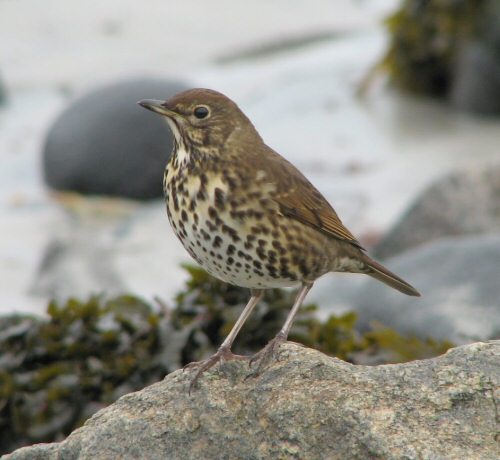
Thrush

Thrush

But the young girl, however, wished to marry him. The girl persisted and finally her parents gave their consent. Thrush and the young girl were married.

Thrush always had a dirty face; he never washed before he ate. His mother-in-law asked him “Why don’t you wash your face?” Thrush did not answer. The next morning she asked again “Why don’t you wash your face? It’s getting dirty.” Thrush once again did not reply. She asked him the same question for 5 days in a row.

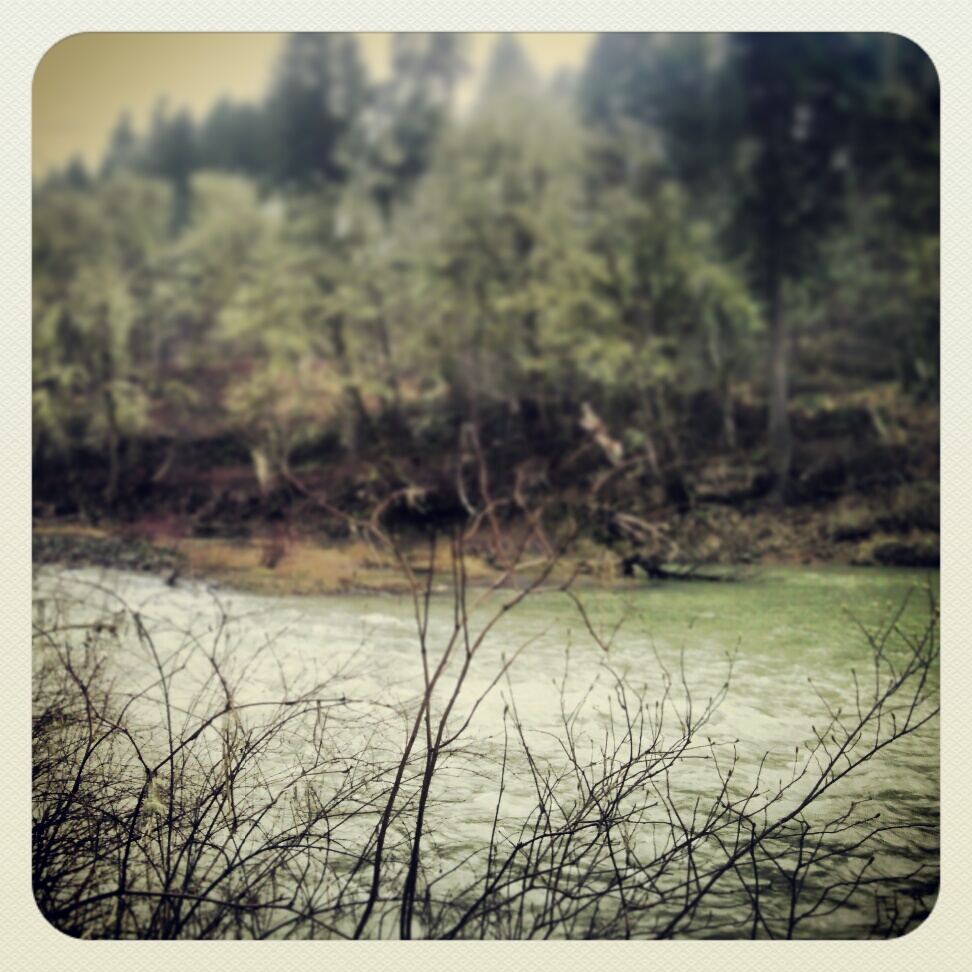
Upper Chehalis River.

Upper Chehalis River.

Finally on the 5th day, Thrush said “If I wash my face, something will happen.” Nevertheless, his wife’s parents still insisted. Then they gave him an ultimatum. “If you don’t wash your face, we’ll take our daughter away from you.” So Thrush finally gave in, “All right then, I’ll wash my face”.

He went to the river to wash his face and sang, “Father-in-law, Mother-in-law, Keep moving back from the river.”

He washed his face. The dirt rolled off, leaving his face streaked all over. Then it began to rain. It rained all day.

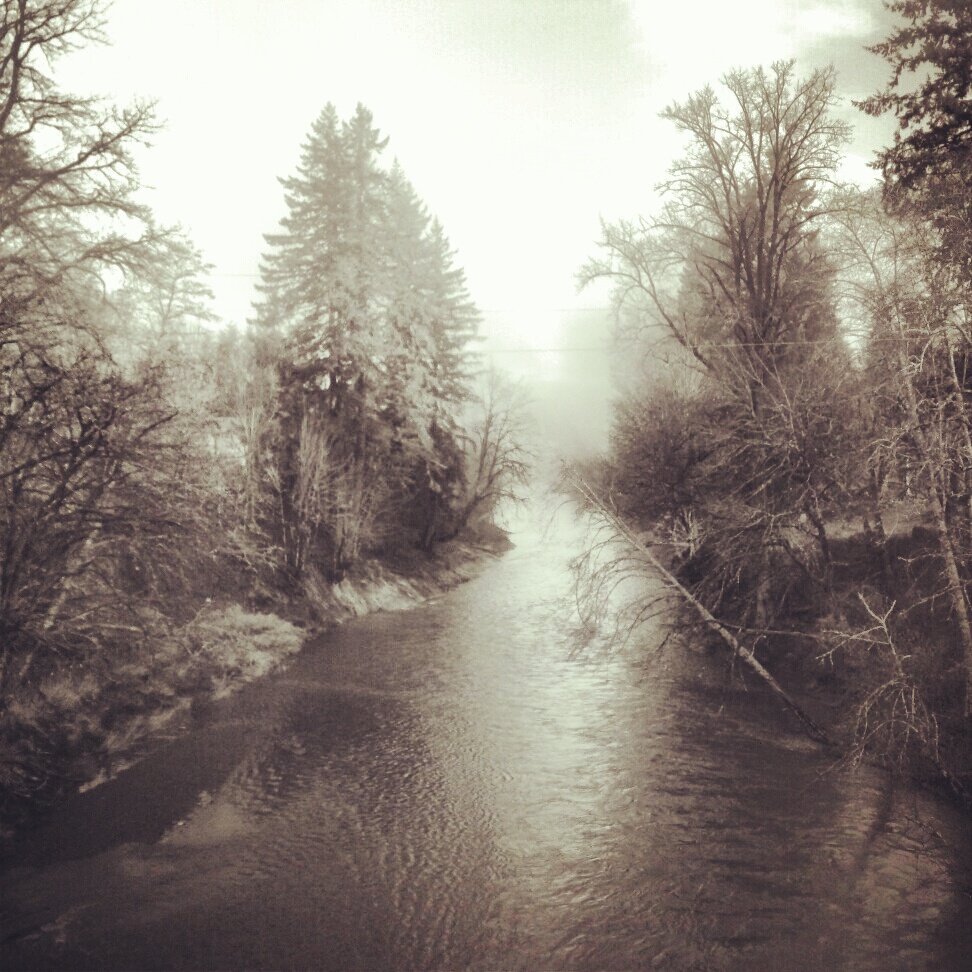
Chehalis River from Pe Ell, WA.

Chehalis River from Pe Ell, WA.

Thrush told his in-laws, “Move back from the river. I washed my face as you asked.”

The river continued to rise. It rained many days and nights. Soon there were no places for the people to stand but in the water. The water rose and covered everything. There was no place for them to go. Many drifted away and were never seen again.

Thrush, his wife and his in-laws landed their canoe on this side of the land, in Upper Chehalis country. There was only the top of one tall fir tree sticking out of the water. And that is where the People tied their canoe.

They got together and planned what they should do next. They agreed that someone needed to dive in the water and see how deep it was. Muskrat dove into the water and came up with some dirt. He dove down into the water 5 times. Each time he brought up some dirt. From the dirt, he made a little mountain. He told the People to land there, that they would be safe. He told the People “This is the mountain that I have made for you so that you can be safe”. The People called that mountain Tiger Lily Mountain. It is known today as Black Mountain.

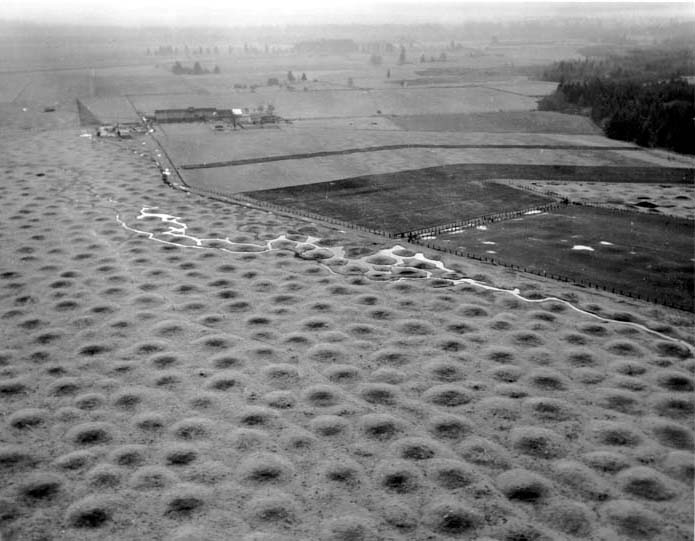
Mima Mounds, DNR archive photo.

Mima Mounds, DNR archive photo.

After the water receded and the earth dried up, the earth was found to be covered with dried whales (fossils). At Gate, not far from Mima Prairie, the earth still remains in the shape of the waves. It extends like this for 4 or 5 miles.

After the water subsided, the earth was just like new and the People could begin all over again. It was said “There shall never again be a person who will cause a flood when he washes his face.” Thrush turned into a bird and flew away.

*re-printed from the August 2010 Chehalis Tribe newsletter.

Coyote and the Columbia

Coyote and the Columbia

From the Sahaptin/Salishan Tribes

retold by

S. E. Schlosser

One day, Coyote was walking along. The sun was shining brightly, and Coyote felt very hot.

“I would like a cloud,” Coyote said.

So a cloud came and made some shade for Coyote. Coyote was not satisfied.

“I would like more clouds,” he said. More clouds came along, and the sky began to look very stormy. But Coyote was still hot.

“How about some rain,” said Coyote. The clouds began to sprinkle rain on Coyote.

“More rain,” Coyote demanded. The rain became a downpour.

“I would like a creek to put my feet in,” said Coyote. So a creek sprang up beside him, and Coyote walked in it to cool off his feet.Gorge from sternwheeler dock

“It should be deeper,” said Coyote.

The creek became a huge, swirling river. Coyote was swept over and over by the water. Finally, nearly drowned, Coyote was thrown up on the bank far away. When he woke up, the buzzards were watching him, trying to decide if he was dead.

“I’m not dead,” Coyote told them, and they flew away.

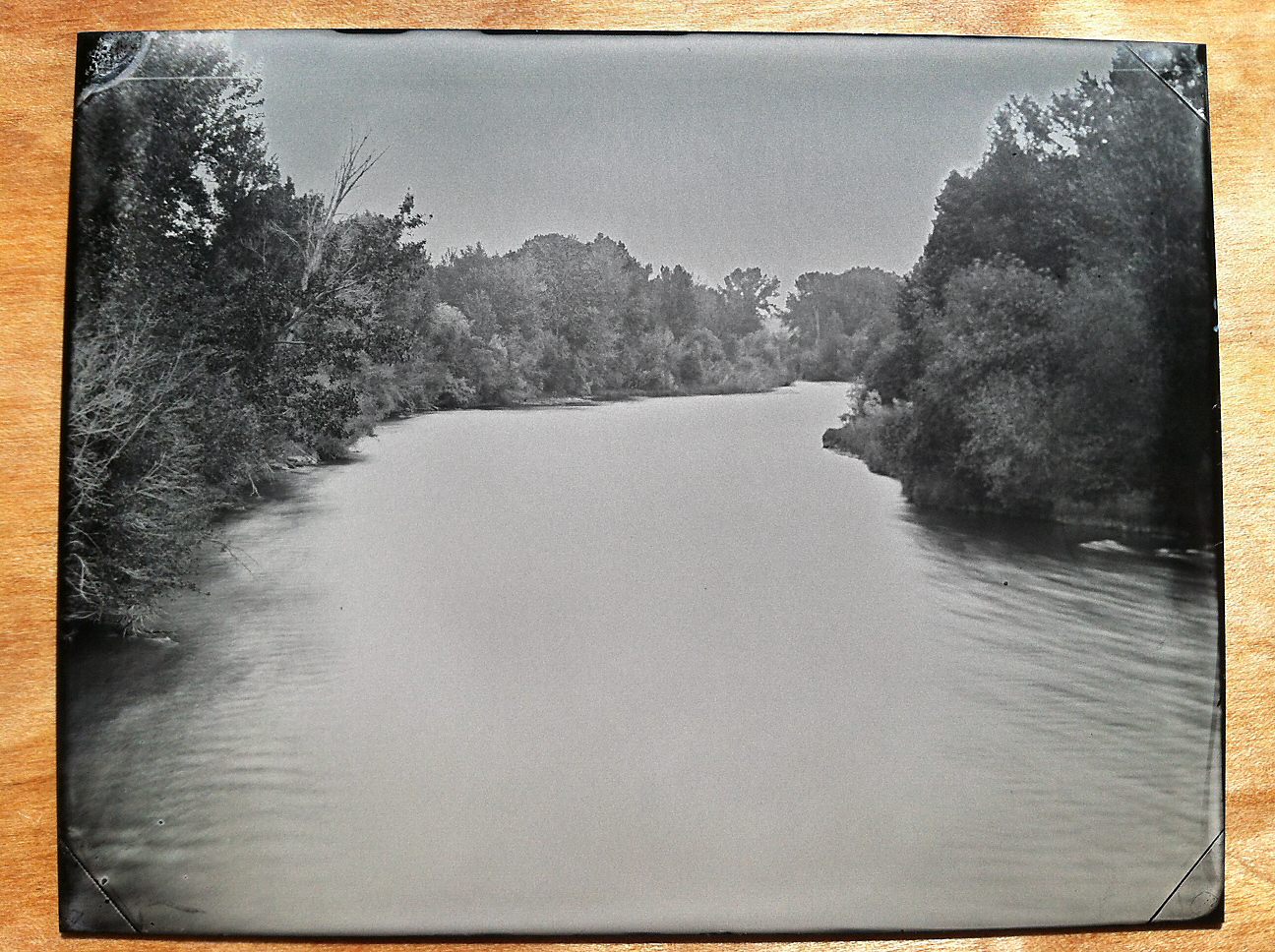
That is how the Columbia River began.

Legend of the Lost Salmon: A Yakama Legend

This story is about when the people ignored the directions of the Creator about caring for the salmon, the salmon disappeared. All of their attempts to bring the salmon back failed until Snake used his powers to revive the salmon. The people were not fooled by Coyote’s pretentious effort to revive the salmon.

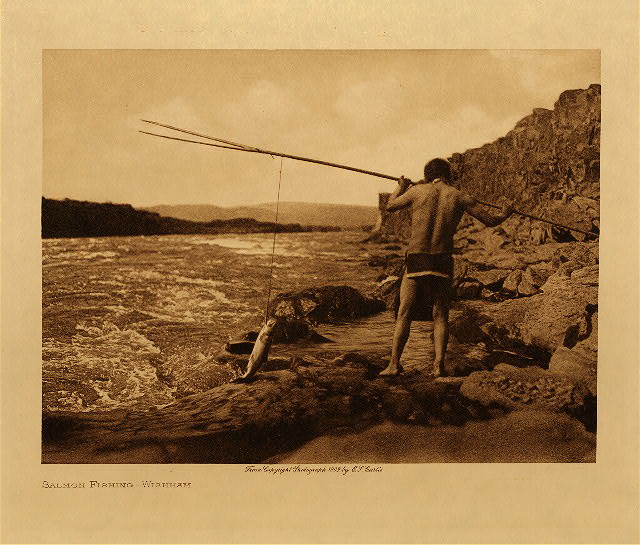
Wishram Fisherman. Edward S. Curtis photo

Wishram Fisherman. Edward S. Curtis photo

The Creator taught the people how to care for this food which was created especially for them. He said, “Do not neglect this food. Be careful that you do not break the rules in taking care of this salmon. Do not take more than you need”. He told them if they observed these rules, the salmon would multiply several times over as long as they lived.

At first the people diligently obeyed the rules, and they lived happily without problems. All along the river there were different bands of people living in their fishing villages, busy catching and drying their supply of salmon.

But one day something strange happened. The people became careless and they neglected to follow the instructions made by the Creator. They became greedy. They did not take care of the salmon. They let them go to waste when they caught more than they needed for their families. They would not listen to the advice from those who were trying to follow the rules. Suddenly the salmon disappeared.

When the salmon were no longer coming up the stream for the people to catch everybody frantically searched the rivers, but all in vain. There was not one salmon left to be found. Soon they became hungry, their little children were crying and the old people were forced to beg for food.

One day, while they were searching the river, they found a dead salmon lying on the bank of the river. They stared down at it in disbelief when they realized what had happened. They began to cry out in shame and lament their mistakes, “If we are given one more chance, we will do better. If only we could awaken this salmon, the other salmon might come up the stream.”

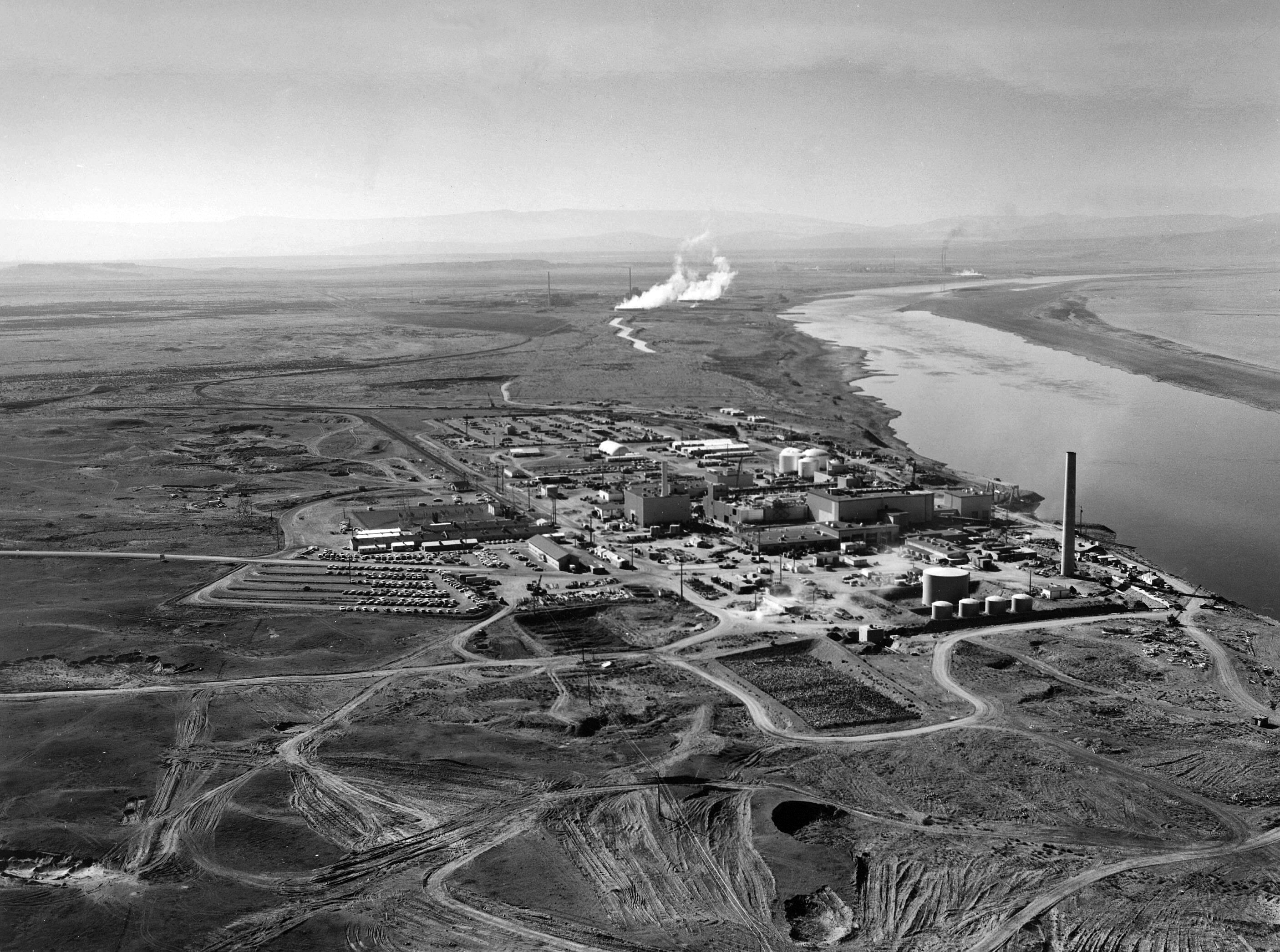
Hanford Reactor. http://en.wikipedia.org/wiki/Hanford_Site

Hanford Reactor. http://en.wikipedia.org/wiki/Hanford_Site

The people called a council and they talked about how they could give life back to the salmon. In legendary times those with supernatural powers could revive a lifeless creature by stepping over it five times. The people tried to use their own spiritual powers to revive the salmon. One by one they each stepped over the salmon five times, but to no avail.

There was a recluse named Old Man Rattlesnake. He never went anywhere always staying off by himself. He was very ancient and all the people called him “Grandfather”. Somebody said, “let’s ask Grandfather to help us! He is a powerful man. Let him revive the salmon!.” A messenger was sent. “Oh Grandfather, would you come and help us revive the salmon. Everybody has failed.” Old Man Rattlesnake listened and said, “What makes you think I am capable of reviving this lone salmon after everyone else has failed? I am an old man, how do you expect an old man like me to possess powers to do the impossible!”. The messenger was sad. “You are our last hope. Please help us, Grandfather”. Finally Old Man Rattlesnake agreed, “I will do my best”. He was so old it was very painful for him to move fast. He moved ever so slowly and it seemed like such a long way for one so old.

While Grandfather was on his way, Coyote tried desperately, using all his wily skills to convince the people he possessed supernatural powers. He was thinking to himself, “If I revive this salmon I will be a very famous person.” He stepped over it four times, and just as he was stepping over the fifth time, he pushed the salmon with the tip of his toe to make it appear as though it moved. He announced loudly, “Oh, look, my people, I made the salmon come to life. Did you see it move?” But the people were wise to the ways of Coyote and they paid him no attention.

Wishram Grandmother preparing Salmon. Edward S. Curtis photo.

Wishram Grandmother preparing Salmon. Edward S. Curtis photo.

Finally, Old Man Rattlesnake arrived. Painfully he crawled over the salmon four times. The fifth time something magical happened! Grandfather disappeared into the salmon and the salmon woke up and came back to life and the salmon came back to the rivers. The people learned their lesson well and took care to protect their salmon from then on.

Today when you catch a salmon, and you are preparing it for eating or preserving, if you break the spine you will find a white membrane inside. That is old Man Rattlesnake who gave life back to the salmon.

We did not know all this by ourselves; we were told it by our fathers and grandfathers, who learned it from their fathers and grandfathers. No one knows when the Great Chief Above will overturn the mountains.

But we do know this: the spirits will return only to the remains of people who in life kept the beliefs of their grandfathers. Only their bones will be preserved under the mountains.

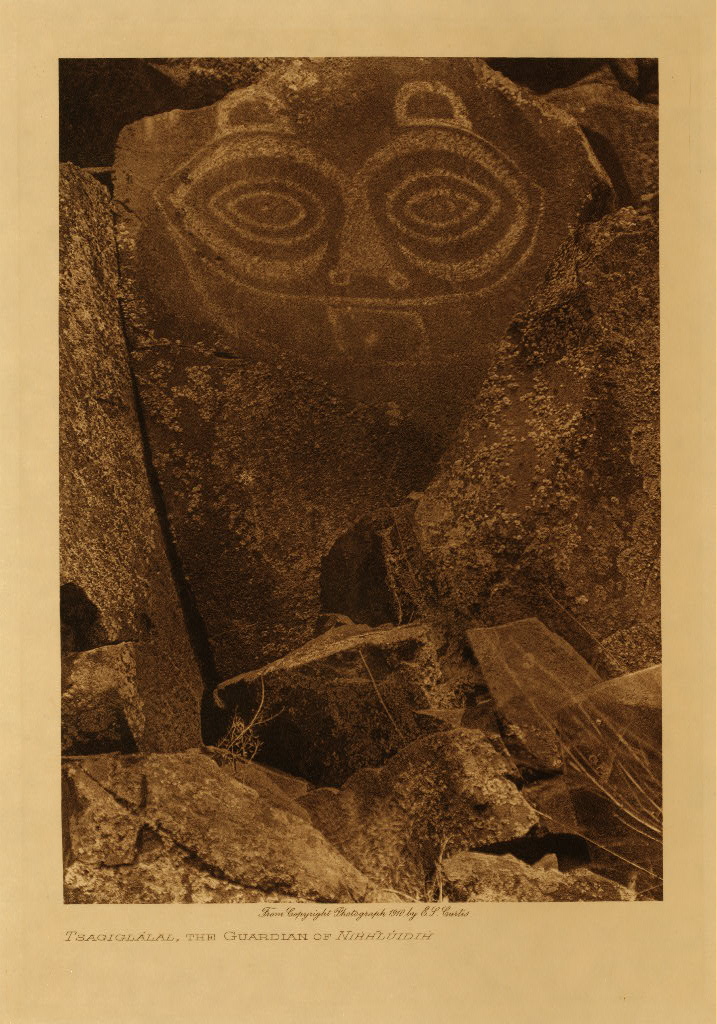
The Legend of Tsagaglalal (She Who Watches)

A woman was chief of all who lived in this region. That was a long time before Coyote came up the river and changed things, and the people were not yet real people. After a time Coyote, in his travels came to this place and asked the inhabitants if they were living well or ill. They sent him to their chief who lived up in the rocks, where she could look down on the village and know what was going on.

Coyote climbed up to the house on the rocks and asked, “What kind of living do you give these people? Do you treat them well or are you one of those evil women?”

“I am teaching them to live well and build good houses,” she said.

Edward S. Curtis photo.

Edward S. Curtis photo.

When she expressed her desire to be able to do this forever, he said, “Soon the world will change and women will no longer be chiefs.”

Being the trickster that he was, Coyote changed her into a rock with the command, “You shall stay here and watch over the people and the river forever.”

Wah’ -tee -tas: Dwarfs of Cascadia

XVIII. Wah’-tee -tas

Wah’ -tee -tas was a word that Louis Mann used in 1916, when he was describing to L.V. McWhorter the: “’ancient people’, also interpreted ‘animal people’. They are described as dwarfs, not exceeding two feet in height. They were seen only during the evening twilight or in the early dawn of the morning. Death invariably followed on the heels of those who beheld the Wah’ -tee -tas, except as Talismanic, as in the case of children set forth in the (oral histories). Of course an adult can commune with his or her tahmahnawis (spirit power) with beneficial results. It is claimed that Chief We-yal-lup Wy-ya-cika obtained much of his power as a medicine man from friendly Wah’ -tee -tas. I do know that the Chief told me before he died that he could explain to me the meaning of all the Puh-tuh num, (meaning ‘pictured’ or ‘marked’) and that he would sometime do so. But unfortunately death claimed him before this was done. We-Yal-lup also had power from the great horned chief of the Wah’ k-puch, (poison-snake) which he saw in Teiton Canyon. Schop-tash and Puh-tuh num, of the preceding story, refer to the same pictographs, or rock-paintings, to be found on great cliff in the Naches Gap near Yakama. It will be noticed that there is a slight difference in interpretation, but there should be no confusion connected with the rendition of the two appellations”

Yakama Indian Tokiaken Twi-wash told L.V. McWhorter this story in 1912. “I am now old. it was before I saw the sun that my ancestors discovered the Wah’-tee -tas, the little ancient people who wore robes woven from rabbit’s hair. They dwelt in the cliff. My people saw a little short fellow, like a person. marking the rocks as you now see them. He walked from rock to rock, hunting the smooth places. You see some of the paintings high up upon the wall. We do not know how Wah-tee -tas got up there to do the work. We see it there; we know that it is true…
Sometimes the people would see the Wah’-tee-tas once or twice a year, see them in the evening dim, or in the morning before the sun, while it was yet a little dark. The Wah’-tee-tas were spirits, but not bad.”

Chief Sluskin and an Indian named Holite gave this account to McWhorter in September, 1917. “No one knows how old the Schop-tash are, nor what they mean… It was after the flood that Man came. It was then that the Schop-tash was painted. The Schop-tash was the law for the Yakamas. They came in the night and painted the hands. Then the other paintings were made, were finished completely. These were often repainted, made bright during the night. But after white man came, this ceased. No more painting was done. The people who made the Schop-tash were small, small but full grown. No one knew where they lived. They might be seen standing on top the cliff, seen after the sun had gone down, or before it was up in the morning. But anyone seeing them died soon afterwards. No one wanted to see them. It brought death.”

“The little Wah’-tee-tas watched over the paintings, the markings, and never let them grow dim. It is too bad that white man destroyed the Puh-tuh-num. It was the law of my people, painted there on the rocks by the Wah’-tee-tas, the Ancient People.”… “I, [L.V. McWhorter] asked an old Indian there who knows these pictures who made them. He answered that they were made by some other people before the Indians came.”

XIX. Te-chum’ mah

L.V. McWhorter wrote: “The Te-chum’ mah, or ground people, are diminutive, invisible dwarfs, inhabiting the more heavily-timbered peaks and summit ranges of the Cascade Mountains, especially around Lake Keechelas … Also, up in the timbered region of the Wenas waterhead, there is a small lake known to the Yakamas as Wat-tum wat-tum, “Lake-lake,” where the Te-chum’ mah also reside … They also known to reside around Fish Lake … Their abode is the cavity of an upturned tree .”

A Chehalis-Yakama Indian gave this account of the Te-chum’ mah to L.V. McWhorter:

“Sometimes I hear these little people as I travel in the night. They are small. You cannot see them if you look. One time I saw them in a dream, saw them just as if I were awake. But I was not awake. I was asleep. I saw them asleep. They look nice, about this high [ eighteen inches]. They look like big people, only they were small. I heard them talking. They are afraid of strangers. When they saw anybody coming, they said to each other, ‘Doctor [medicine man] coming!’ They ran and hid somewhere. When out in the woods at night, when anywhere in a lonely place, you hear them whistling like birds. You better not answer them, better not try to follow them. If you do, they make you crazy. you do not know where you are going. you run! you run! you run! You run until you die. You will not look where you go. You do not stop for anything. Maybe you fall from high rocks and die. Maybe you get lost and are never found. Do not pay attention to them. They cannot hurt you. They call like one kind of bird at night. They call like this, “W-w-wh-hah! W-w-wh-hah!”

“You have heard them. Once called close to me in the dark. I was scared! My head felt just like baked! I did not answer! I would not follow that call. I did not want to go crazy; I did not want to die. I kept going, kept traveling to get away from that place.”

XX. Pah-ho-ho-klah

The Tenino Indians (also called the Warm Springs Sahaptin), occupied a portion of the south bank of the Columbia River in North Central Oregon and the lower watershed of its southern affluents. They spoke of the Pah-ho-ho-Klah, the “ground people” or “people of the ground”, who are described in similar terms as the Te-chum-mah. This tale was told to L.V. McWhorter by Ah-nah-chu Pick-wah-pah (“Behind the Rock”), and intelligent young man of the warm springs tribe, gave McWhorter his experience with the Pah-ho-ho-klah: “calling”, “signaling” or “answering”. No date cited.

“Hunting in Oregon, I got lost in the fog and rain. I killed one deer. I did not get crazy! I did not run like wild. I thought to stay where I was when the fog came up, wait until all cleared away again. I do this when I find I’m lost. It is not good to travel when lost. You might get killed. Their are high rocks where you fall and die. I got under a big tree, a heavy topped tree. With plenty of dry wood, I built a fire out from the tree; I took a place between the fire and tree. I was close against tree, a safe place. I roasted meat from the deer and ate.”

“Not long after this I heard calling, calling like birds in the trees about my camp. It was getting dark! Other voices like birds answered farther away. I knew the birds were not there. It was the Pah-ho-ho-klah , the little people of the mountains. I was scared! I did not answer them! I sat still! I did not move, did not make any noise. If I answered the calls, I would go crazy, be lost five days and nights. It would rain and be foggy five days and nights. I sat against the tree in the firelight, holding my gun. I watched just like a soldier! I did not sleep all day. I kept the fire burning, watching everywhere. The sun traveled behind the clouds; no light was in the woods.”

“Night came, dark, plenty of fog, wet rain. I must sleep! I made a big fire to light up all around the camp. I lay down, my feet to the fire and my head close against the tree. I slept long. I did not know how good I slept; then I awoke. There! I looked good! I looked sharp! Only a short distance from me, in the light of the fire, I saw him! I saw Pah-ho-ho-klah! He was sitting down, had an arrow! Yes! He was biting that arrow, sighting it with his eye! He was making the arrow straight.”

“I looked at him fixing his arrow. I saw him good. He had on buckskin clothes, a shirt filled with holes, a summer-shirt. I can make that shirt. He had a band of cedar band this wide (two fingers), tied around his head. His hair was braided like mine, hung to the middle of his breast, maybe a little shorter. I saw above his left shoulder the feather-ends of about ten arrows and a bow, all in a case on his back. The Pah-ho-ho-klah was an Indian all right, the same color as me. He was straightening arrows with his teeth, biting out crooked places. I was not scared now. I lay still. I was lots sleepy. I went to sleep again.”

“The next morning it was getting light; I heard the same voices! They went farther, farther away! After calling five times out in the woods, then they quit. The Pah-ho-ho-klah Chief had called his people from that place. The rain had now quit; the fog was thin, waving like wind. The sun came up, shining warm. I went up on a hill, looked everywhere. I knew that country; I knew where I was. I carried the deer, traveled to camp about three hours. I was safe! I am telling you this tonight.”

XXI. Babies and Babyfeet

Baby Rock, in Lane county Oregon, “is on the southwest shoulder of Heckletooth Mountain, above the track of the Southern Pacific Company just southeast of Oakridge. It was named by the Indians. Mrs. Line a Flock gave the compiler an unusual legend about the name. Indians who slept near the rock were believed to have been bitten by some animals that left the footprints of a baby. The wounds were fatal. Finally two Indians determined to exterminate these peculiar animals, and hiding in the rocks above, they surprised the visitors, jumping down on them with blankets in such a way that they could not escape. The animals were twisted in blankets and burned up. Indian Charli Tufti would never go near this rock. (Tufti Mt. is just south of Baby Rock) Mrs. Flock’s grandfather, Fred Warner, was of the opinion that the peculiar animals were porcupines, which make tracks not unlike a small baby. Indians asserted that the baby tracks remained about the rock for many years, hence the name.” Babyfoot Creek, and the Babyfoot Lake botanical Area, in the Kalmiopsis Wilderness, Curry County OR, appears to have the same sort of Indian legend behind it.

“Between Mount Adams and Mount Rainier are many small lakes, in a region where Indians used to go late in the summer for huckleberries and game. In these dark, deep lakes surrounded by tall trees, the Indians believed, lived spirits that had control of the rain…Some of the lakes in that region were said to have strange animals living in them…At night, when all was dark and quiet, the spirits would come out and gather food on the shores. In some of the lakes were the spirits of little children who had lived in the days of the ancient people. Their cries sometimes broke the silence of the nighttime. The next morning the prints of their little naked feet were found in the wet sand along the margin of the lake.

The east side of Mt. Adams (12,307) at the top has many caves where many eagles breed and live. Near the north side of the mountain is Fish Lake. Between the two is a section of large broken up rocks.

XXII. The Dwarf Mountain People

This is an Umatilla Indian story of the Dwarf Mountain People who live in the Blue Mountains, told to L.V. McWhorter by an unknown Indian at an unknown date: The Umatillas lived by the mouth of the Umatilla river, where it joins the Columbia, due east of the Teninos.

“Three brothers Cee-wal-tis-cou-cou, Tem-mot-Cio-soota-cots, and We-yow Yets-chit-con, were hunting in the Blue Mountains where there was snow. Cee-wal-tis-cou-cou, a tribal warrior and whose widow and daughter are still living (1927), was riding alone. he saw fresh deer track and proceeded to follow it. Then he noticed a moccasin track which appeared following the deer, not larger than that of a baby’s footprint. he could not understand but though, “Maybe he is also tracking the deer”.

“After a time, looking a short distance ahead, he saw an old man, an old man not larger than a papoose, dressed in a spotted fawn-skin, standing on a log. He had a bow and arrows in a fawn-skin case. Riding up close, Cee-wal-tis-cou-cou saw that the little fellow was very old, face wrinkled, eyes set deep in the head. he thought to take IT home with him. he spoke, but there was no answer. he then motioned for IT to get on the horse behind him. IT held out a very oldish-looking hand, and when grasped by Cee-wal-tis-cou-cou, leaped to the seat on the horse. Cee-wal-tis-cou-cou gathered IT close and secure in the folds of his blanket, held fast as does the mother riding with her baby so wrapped behind her.”

“Riding thus, Cee-wal-tis-cou-cou met his two brothers. They all counseled and thought to take IT home with them, to see what IT would do, what would come of IT, letting people see the little old man. They rode on and, although it was daylight and the sun was shining, soon they missed IT from the blanket held fast and close by Cee-wal-tis-cou-cou. None knew when IT disappeared, or how gone. Nothing was seen of the little old man. Nobody knew where these people live but suppose it is in caves in the rocks. They may have fire. No one knows.”

“If you are lost in the woods, and hear a calling, do not answer. It is the Little People , and they will take you wrong. It is dangerous to answer unknown callings when in the mountain forests.”

The Makah Indians of the Straight of Juan De Fuca tell a story about the cause of the northern lights.

“The northern lights come from the fires of a tribe of dwarf Indians who live many moons’ journey to the north. These dwarfs are no taller than half the length of a canoe paddle. They live on the ice, and they eat seals and whales. Although they are small, they are so strong and hardy that they can dive into cold water and catch whales with their hands. Then they boil out the blubber in fires built on the ice. The lights we sometimes see, are from the fires of those little people boiling whale blubber. The dwarfs are evil spirits, or skookums, and so we dare not speak their names”.

‘Thomas C. Pitka related his finding of many strange bare footprints of a child 7-9 years (old?) around the Green Point Upper Reservoir, SW of Hood River Or. The tracks were about 6” long, and he thought it odd that there were no other tracks about.’

‘Bud Darcor asked Ray Crowe if he wanted to “hear something strange?” It was way back in 1944 he said, and he was spending the weekend deer hunting with a younger brother near the Bly Mountain Lookout, OR., where he had a friend that worked, and had invited them up. As they were looking over the forest from the lookout tower, there appeared a bright ball that flew towards a nearby tableland. It looked like the bright ball landed on east end mountain about two miles away. The next day he and his brother hiked over to the site and were surprised to find next to a water hole, in a small clearing by the edge of a creek, a burnt patch. It was about 30 feet across, he said.

Still scratching their heads, they were hiking back to the L.O. when they had a weird feeling… then they saw “baby” footprints in the pumice dust of the road. The footprints crossed the road and went up the roadcut bank, and “sat down”. The butt print was about 6 inches across he said, and the prints were about 4 1/2 inches long. We put a board across the footprints to preserve them, and went to talk to the local Forest Service boss, and another government guy. The government guy suggested that a monkey had fallen out of an airplane, while the F.S. fellow said, “we didn’t see nothin’, and don’t know nothin’.”